
Understanding Drone Regulations in Australia for Aerial Videography
JW
Introduction to Drone Regulations in Australia
As drone technology continues to advance, the opportunities for aerial videography have grown exponentially. However, understanding the regulations governing drone use is crucial for both hobbyists and professionals in Australia. Compliance not only ensures safety but also enhances the quality and credibility of your work.
Who Governs Drone Regulations?
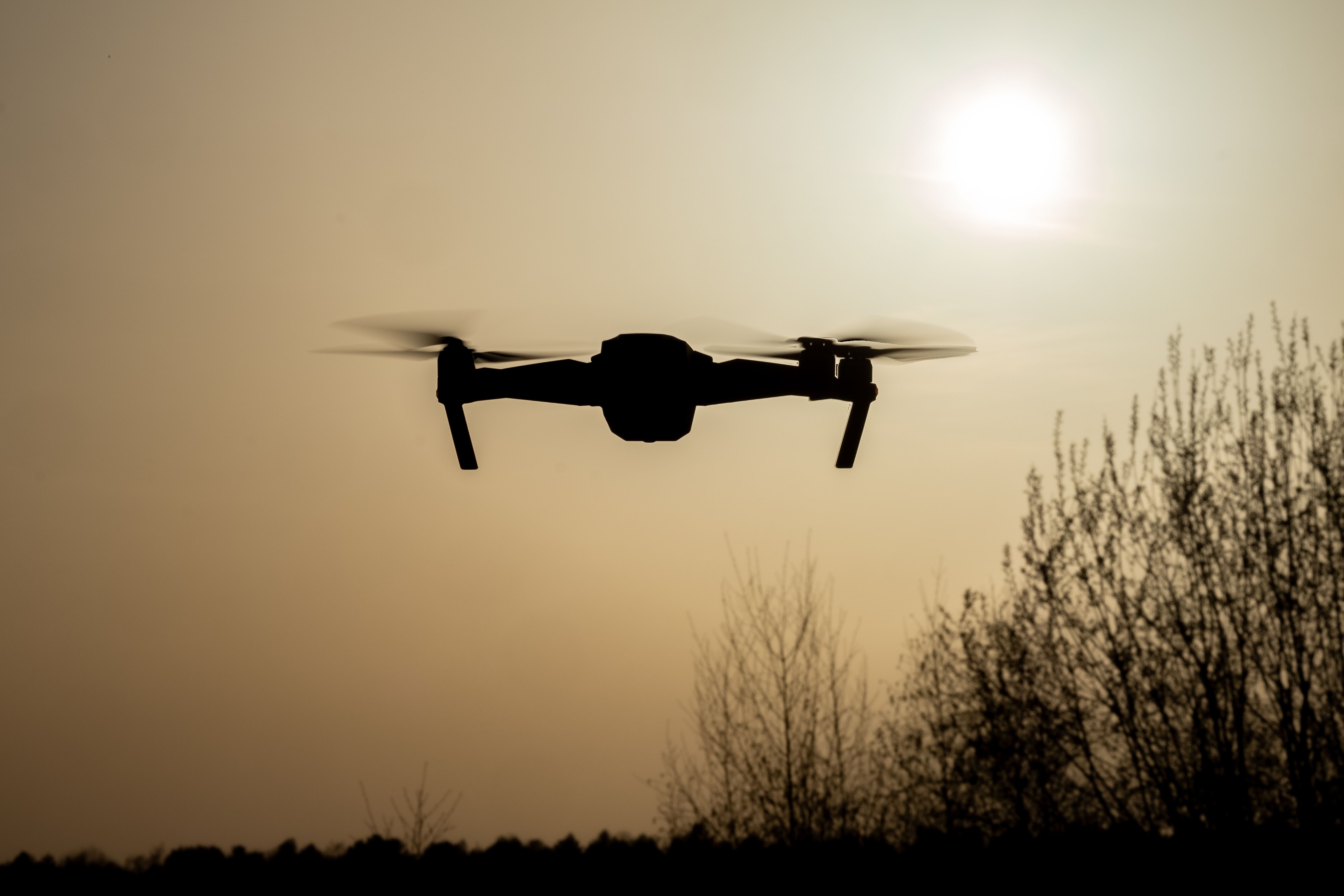
In Australia, the Civil Aviation Safety Authority (CASA) is the primary body responsible for regulating drone use. CASA has established a set of rules that apply to the operation of drones, officially known as Remotely Piloted Aircraft (RPA), to ensure safety and security in the airspace.
Categories of Drone Use
Drone operations are classified into two main categories: recreational and commercial. Recreational users fly drones for personal enjoyment, while commercial users conduct operations for business purposes, such as aerial videography, surveying, or delivery services.
Key Regulations for Recreational Users
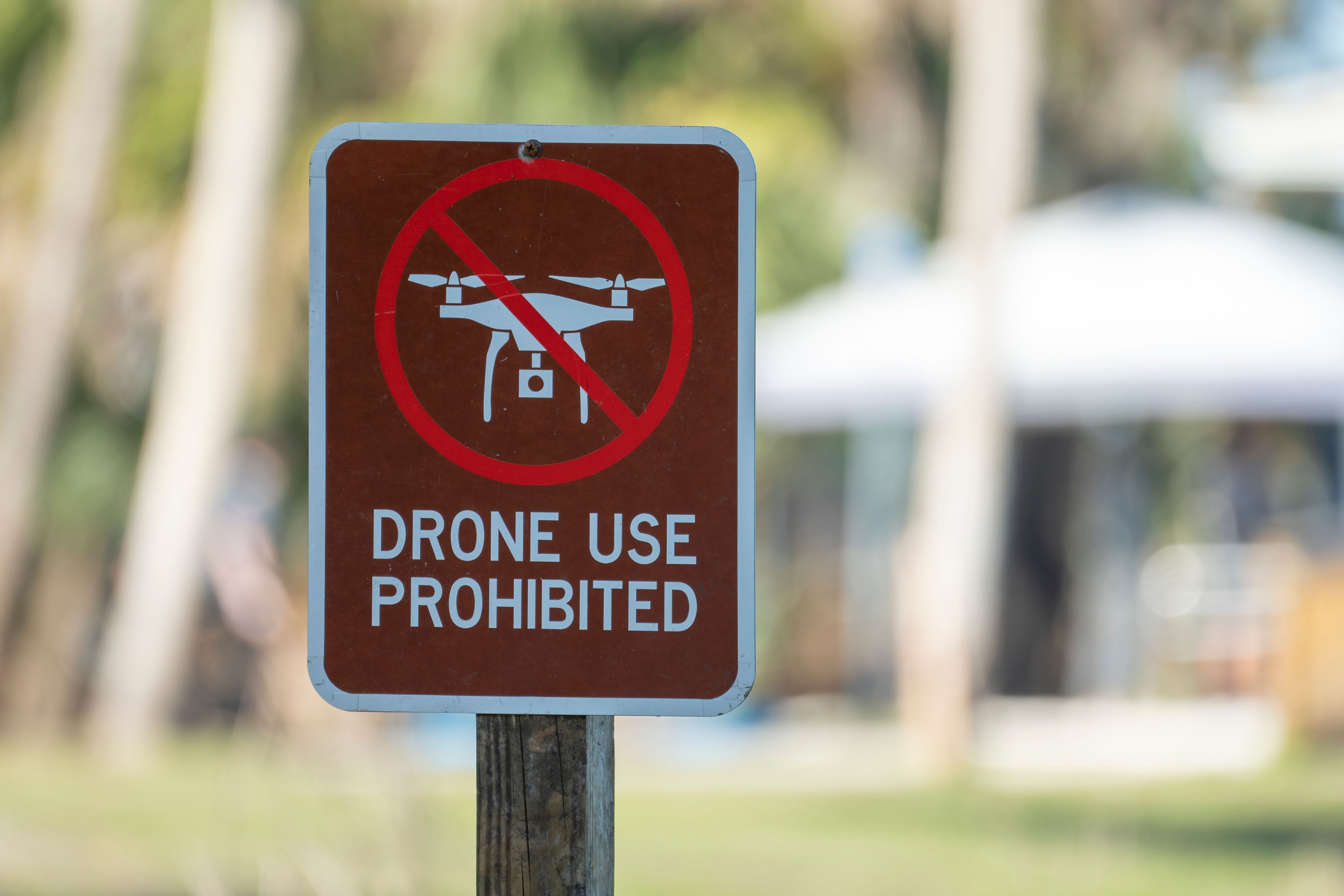
For recreational drone users, there are several important rules to follow:
- Fly no higher than 120 meters (400 feet) above the ground.
- Keep your drone within visual line-of-sight.
- Do not fly within 5.5 kilometers of a controlled aerodrome.
- Avoid flying over people or populous areas.
Additional Considerations
Recreational users must also respect privacy laws and avoid capturing images or videos of individuals without their consent. It's essential to be aware of local laws as they can vary by state or territory.
Commercial Drone Use Regulations
Commercial drone operators are subject to more stringent regulations. They must obtain a Remote Pilot Licence (RePL) and operate under a Remotely Piloted Aircraft Operator's Certificate (ReOC). These certifications ensure that operators have the necessary skills and knowledge.
Operational Requirements
Commercial users must adhere to detailed operational requirements, which include maintaining detailed flight logs and ensuring the drone is airworthy. Additionally, commercial drones must be registered with CASA.
Staying Updated on Regulations
Regulations can change, and staying informed is crucial. CASA regularly updates its rules and provides resources on its website. Joining drone enthusiast groups or forums can also be a valuable way to stay informed and share experiences.
Conclusion
Understanding and complying with drone regulations is essential for safe and legal aerial videography in Australia. Whether you are a hobbyist or a professional, adhering to these regulations ensures a safe environment for all airspace users and enhances the quality and professionalism of your work.