
Understanding Drone Regulations in Australia: A Guide for Cinematographers
JW
Introduction to Drone Regulations in Australia
The use of drones in cinematography has revolutionized the way filmmakers capture breathtaking aerial shots. However, operating drones in Australia requires adherence to specific regulations set by the Civil Aviation Safety Authority (CASA). Understanding these rules is crucial for cinematographers to ensure compliance and safety.
Licensing Requirements
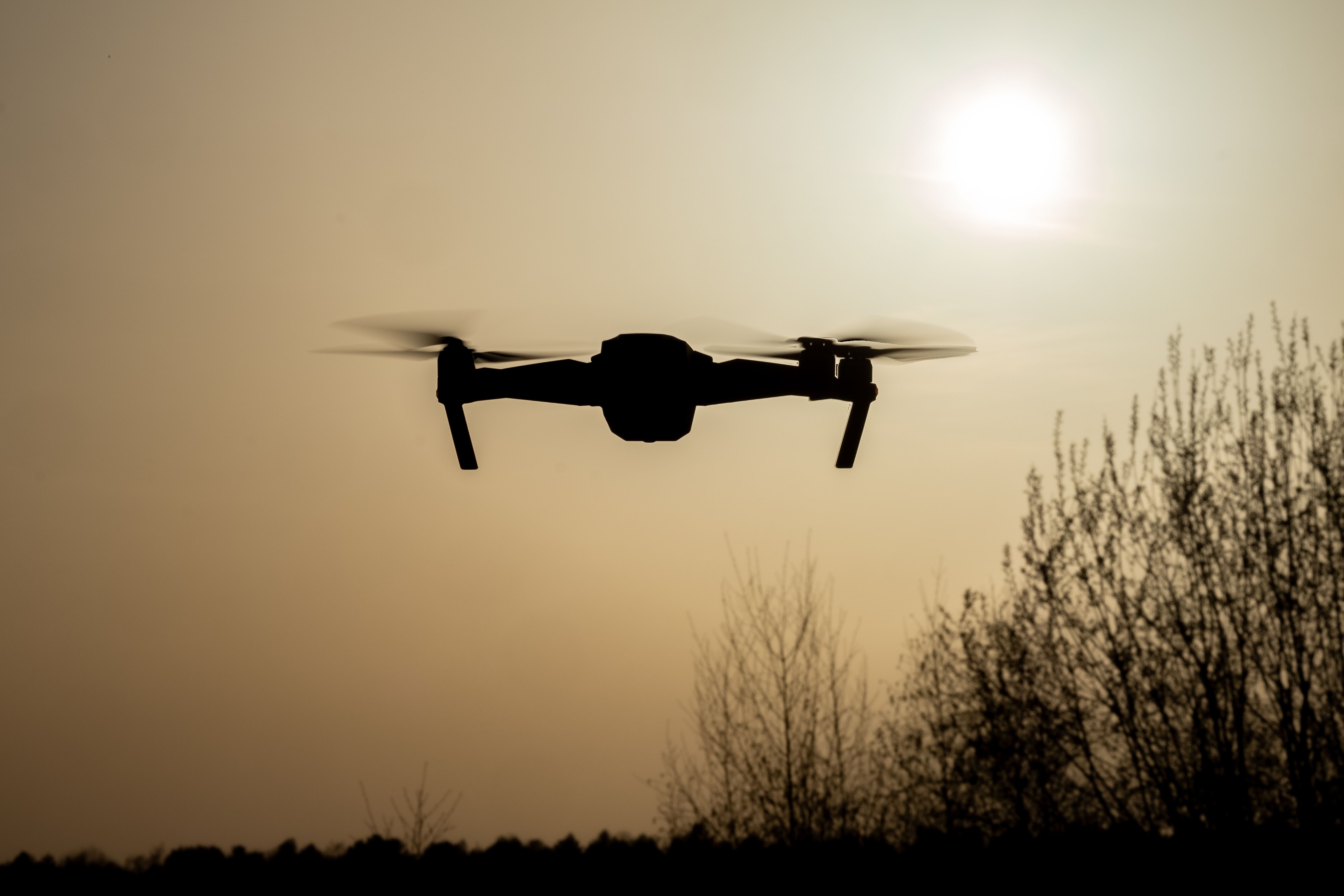
In Australia, drone operators must obtain a Remote Pilot License (RePL) if they are using drones for commercial purposes, including filmmaking. The process involves completing a CASA-approved training course and demonstrating proficiency in operating drones safely.
For those operating drones under 2kg for commercial purposes, a license might not be necessary, but operators must still follow the standard operating conditions. This includes keeping the drone within visual line of sight and flying only during daylight hours.
Operating Conditions
CASA has outlined specific operating conditions that must be followed. Drones should not be flown higher than 120 meters above ground level and must remain at least 30 meters away from people not involved in the operation. Additionally, flying over populous areas such as beaches, parks, or sporting events is restricted.
Restricted Areas
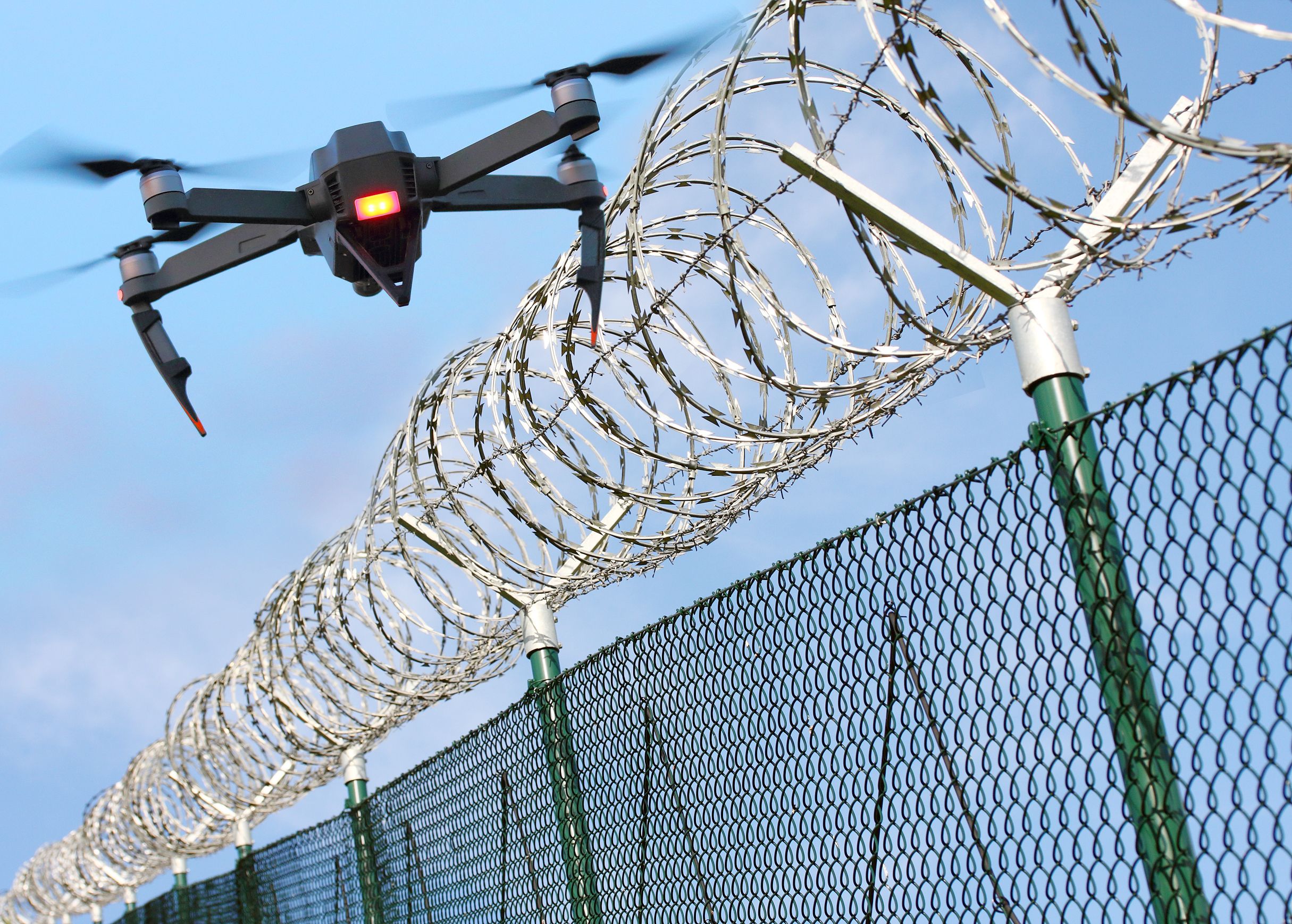
It is important to recognize and avoid no-fly zones, such as areas near airports or emergency operations. CASA provides maps and tools to assist operators in identifying these restricted areas. Ignoring these zones can result in hefty fines and legal actions.
Drone operators should also be aware of temporary restrictions that may be in place for specific events or during emergencies. Staying informed about these updates is essential for safe and compliant drone use.
Privacy and Ethical Considerations
Privacy is a significant concern when operating drones. Cinematographers must respect the privacy of individuals and avoid capturing images or video without consent. Understanding and adhering to privacy laws is as important as following aviation regulations.
Practicing ethical drone use includes maintaining transparency about the purpose of filming and ensuring that all necessary permissions have been obtained from property owners or relevant authorities.
Conclusion
By understanding and adhering to Australia's drone regulations, cinematographers can effectively use drones to enhance their projects while ensuring safety and compliance. Staying informed and prepared is key to navigating the dynamic landscape of drone regulations.