
Top 5 Misconceptions About Drone Cinematography Debunked
JW
Misconception 1: Drones Are Only for Aerial Shots
One common misconception about drone cinematography is that it's only useful for capturing aerial shots. While drones excel in providing breathtaking aerial views, they are also incredibly versatile. Drones can be used for tracking shots, close-ups, and even indoor filming. Their ability to maneuver in tight spaces and capture unique angles makes them a valuable tool for filmmakers.
For instance, drones can seamlessly glide through landscapes, offering perspective shifts that would be challenging with traditional equipment. This flexibility allows for more creative storytelling and dynamic visual experiences.
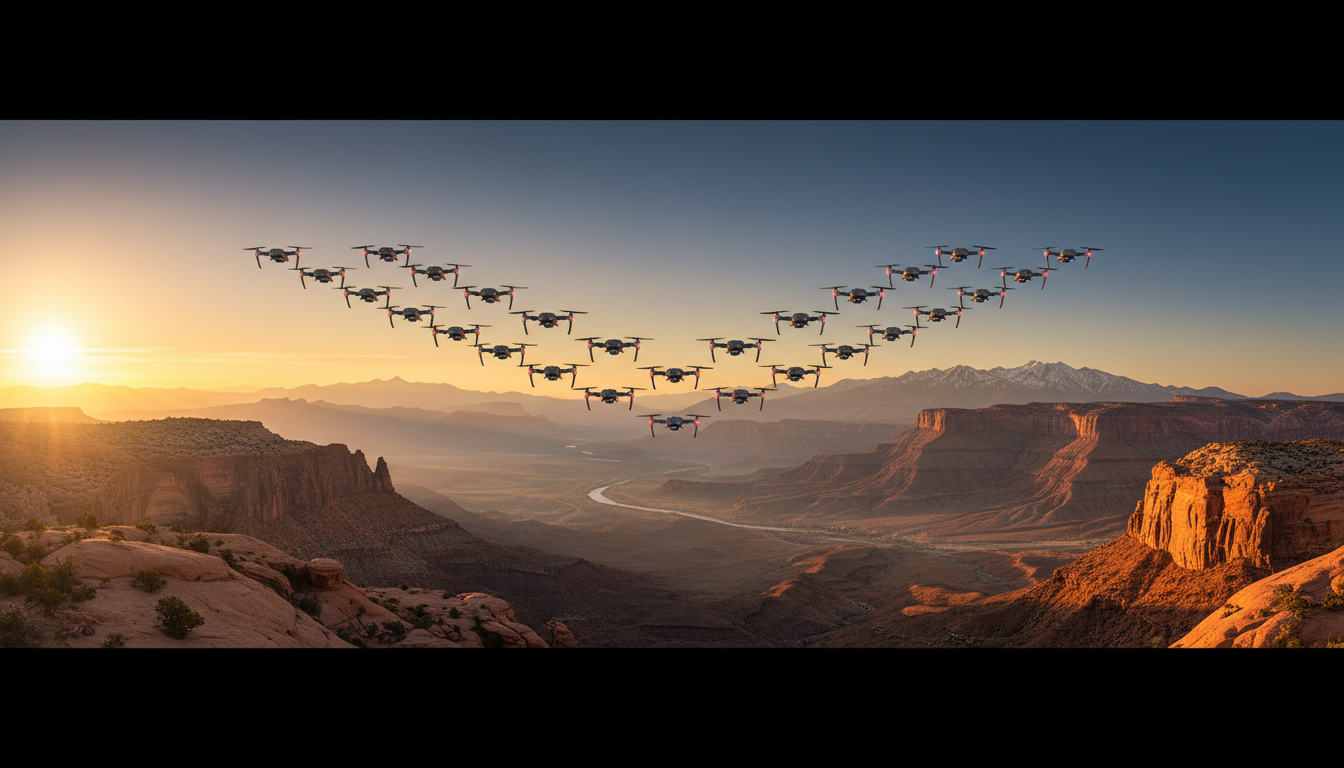
Misconception 2: Drones Are Too Expensive
Another myth is that drone cinematography is prohibitively expensive. While high-end drones can be costly, there are numerous affordable options available for filmmakers on a budget. Many drones offer excellent camera quality and stability features without breaking the bank.
Moreover, renting drones has become increasingly common, allowing filmmakers to access top-notch equipment without the need for a significant investment. This accessibility has democratized aerial cinematography, making it possible for independent creators to enhance their projects.
Misconception 3: Drones Are Difficult to Operate
Some people believe that flying a drone requires extensive training and technical expertise. While drone operation does require some skill, advances in technology have made them more user-friendly than ever before. Many drones come equipped with intuitive controls, automated flight modes, and obstacle avoidance systems.
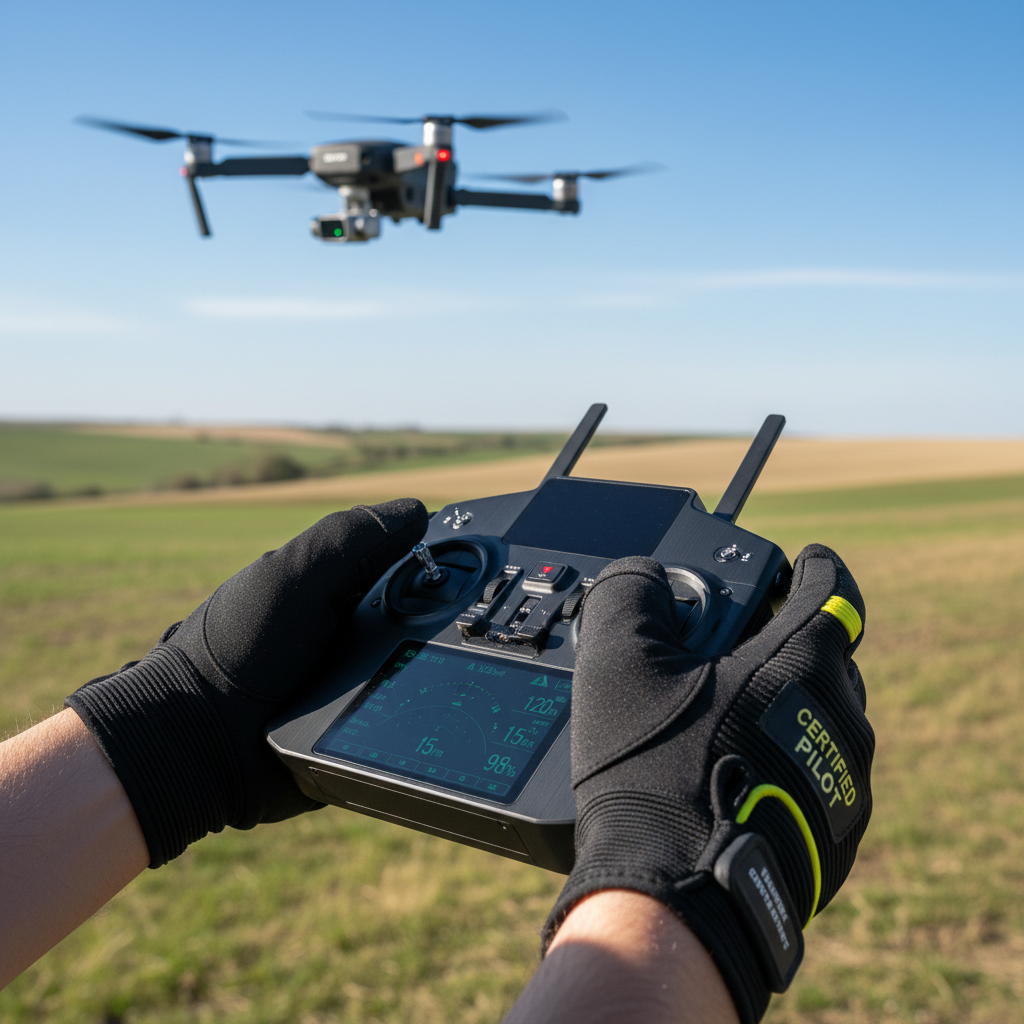
These features allow both beginners and experienced filmmakers to capture stunning footage with relative ease. Additionally, there are numerous online resources and courses available to help new users learn the ropes quickly.
Misconception 4: Drones Are Unsafe
Safety concerns often arise when discussing drone use in cinematography. However, modern drones are designed with safety in mind, incorporating features like geofencing, return-to-home functions, and collision detection.
By following regulations and guidelines, such as maintaining line-of-sight and avoiding restricted airspace, drones can be operated safely. Continuous advancements in drone technology are also enhancing their safety features, making them more reliable than ever.
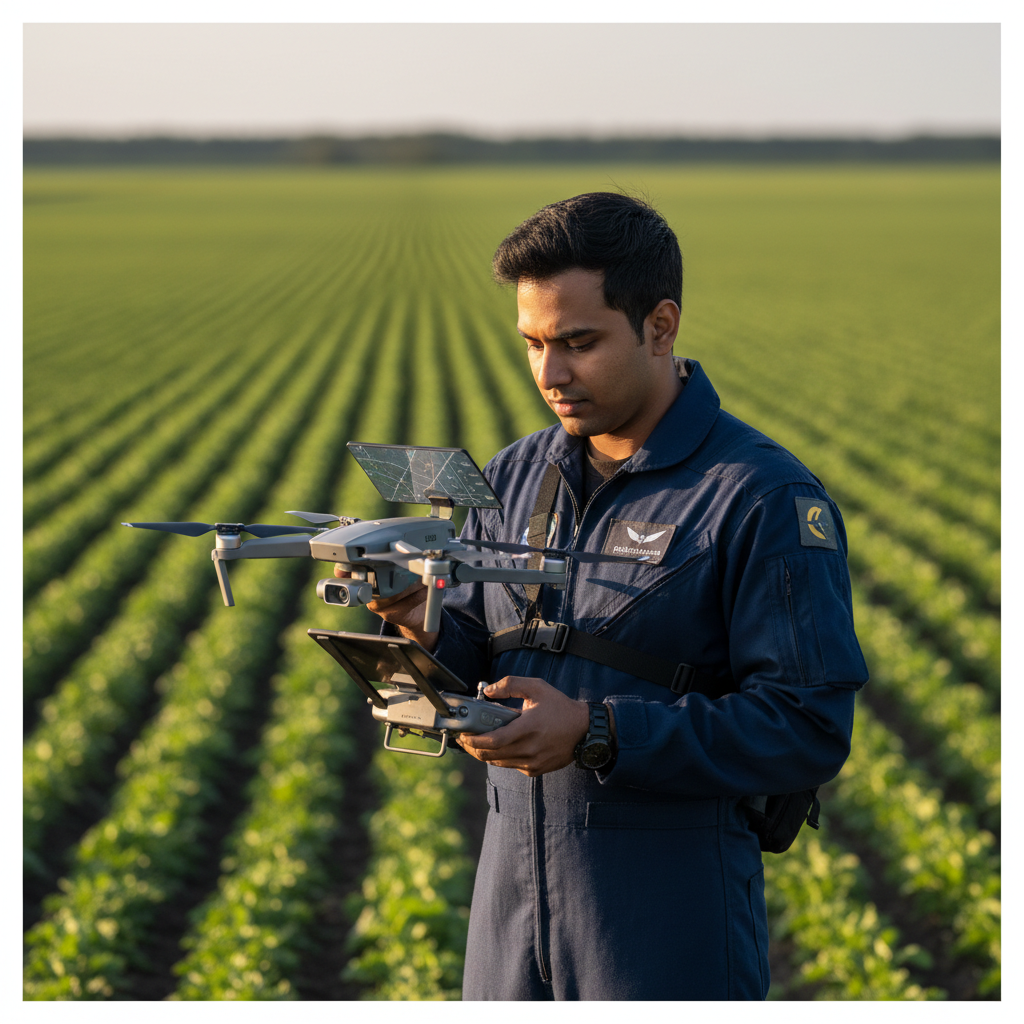
Misconception 5: Drones Replace Traditional Filmmaking Equipment
Finally, some may think that drones are set to replace traditional filming tools like cranes and jibs. In reality, drones are a complement to existing equipment, offering new possibilities rather than replacing established methods. They provide a fresh perspective and can be used in conjunction with other tools to create a more comprehensive visual narrative.
Understanding the strengths and limitations of each tool allows filmmakers to choose the best equipment for their specific needs, enhancing the overall quality of their projects.
In conclusion, drone cinematography is a dynamic and evolving field that offers filmmakers endless creative opportunities. By debunking these misconceptions, we can appreciate the true potential of drones in the world of filmmaking.