
The Future of Drone Cinematography: Trends and Innovations
JW
Drone cinematography is revolutionizing the film industry, offering unique perspectives that were once impossible or prohibitively expensive to achieve. As technology advances, the future of drone cinematography is poised for even more exciting developments, transforming the way we capture and experience visual storytelling.
Emerging Technologies in Drone Cinematography
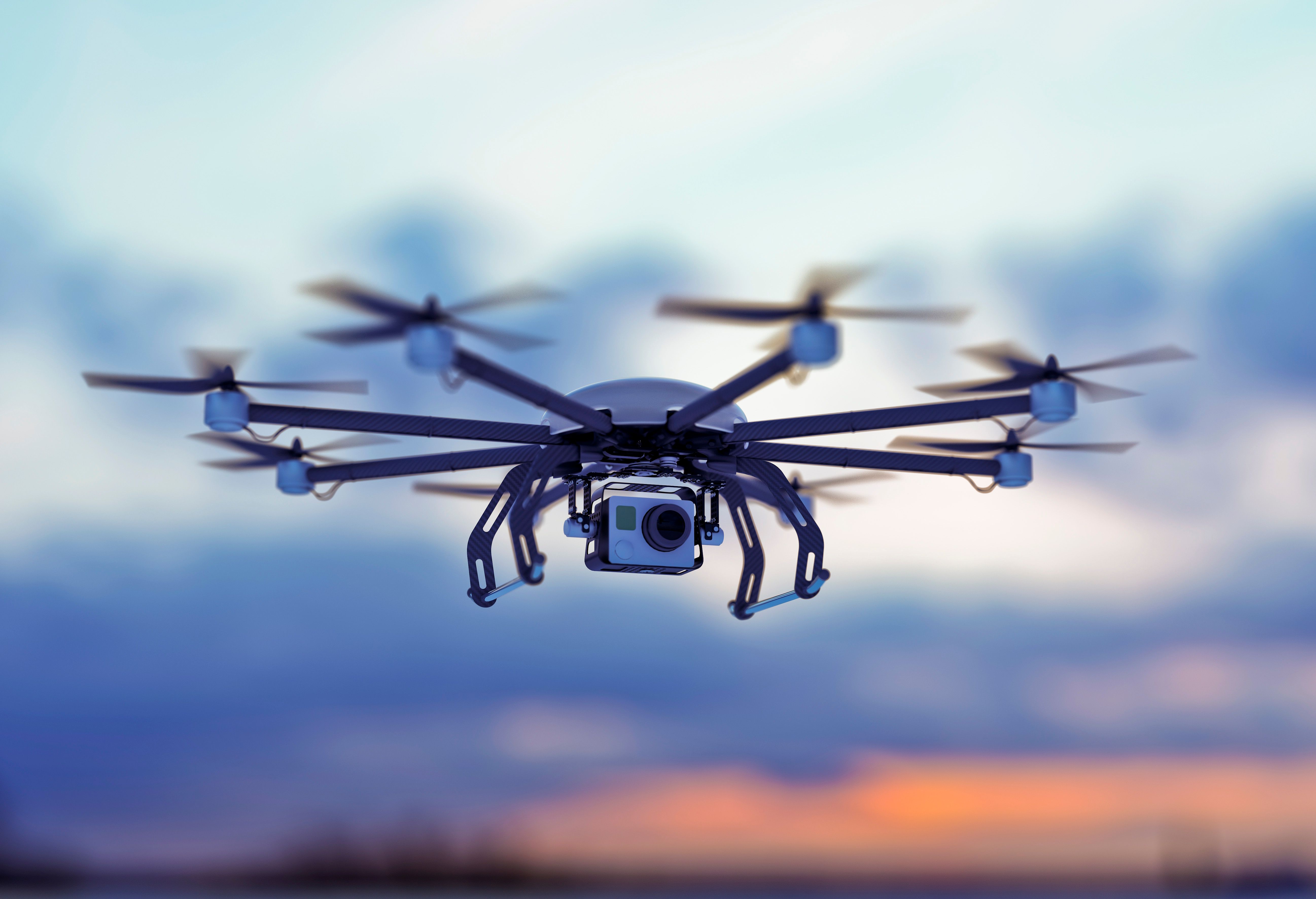
The integration of cutting-edge technologies is enhancing the capabilities of drones, making them more versatile and efficient. One of the most significant advancements is the incorporation of artificial intelligence (AI) and machine learning. These technologies enable drones to autonomously track and follow subjects, ensuring smooth and dynamic shots without the need for constant manual control.
Additionally, improvements in camera technology are providing filmmakers with higher resolution and better image quality. 4K and even 8K cameras are becoming standard, allowing for stunningly detailed footage that enhances the viewer's experience. This level of quality is especially important for large-scale productions and immersive experiences.
Innovative Applications and Techniques
As drone technology evolves, filmmakers are exploring innovative applications and techniques to push the boundaries of storytelling. One trend is the use of drones in live broadcasts and real-time streaming. This allows audiences to experience events from unique angles, providing a fresh perspective that traditional cameras cannot achieve.
Moreover, drones are being used in creative ways to capture complex scenes that require intricate choreography. By programming drones to fly in coordinated formations, filmmakers can create visually stunning sequences that add depth and interest to their narratives.

Challenges and Considerations
Despite their many advantages, drones come with certain challenges that need to be addressed. Weather conditions such as wind and rain can affect drone stability and image quality. Filmmakers must also consider legal regulations and safety concerns, as drones are subject to strict guidelines in many regions.
Battery life is another limitation, as drones typically have a limited flight time. This requires careful planning to ensure that all necessary shots are captured within the available window. As battery technology continues to improve, we can expect longer flight durations and increased operational flexibility.
The Role of Drones in Future Productions
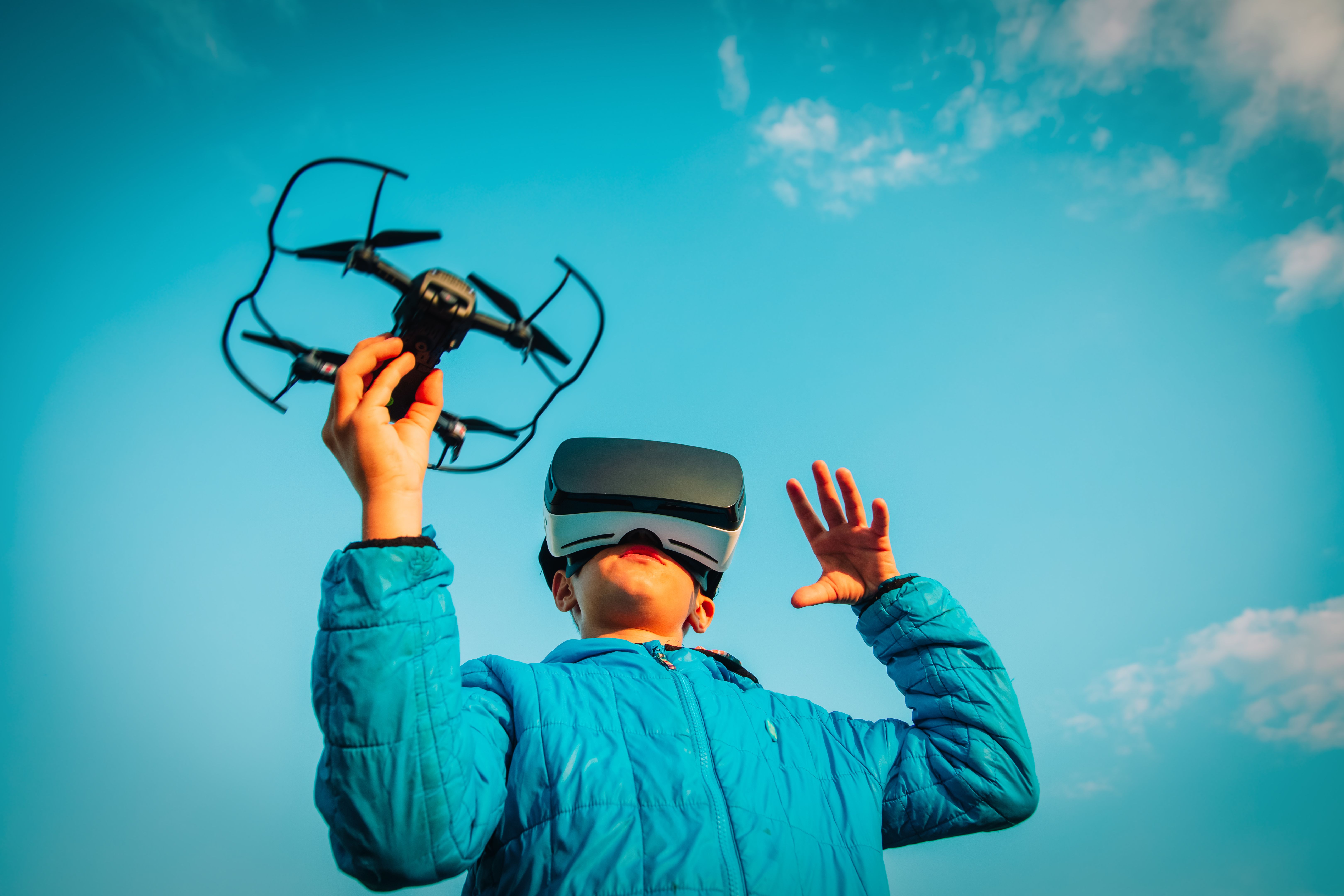
Looking forward, drones are expected to play an even more integral role in film and media productions. As virtual reality (VR) and augmented reality (AR) gain popularity, drones will be crucial in capturing the immersive content needed for these platforms. Their ability to move freely in three-dimensional space makes them ideal for creating engaging and interactive experiences.
Furthermore, the democratization of drone technology means that independent filmmakers and content creators can access tools that were once reserved for major studios. This opens up new opportunities for diverse voices and innovative storytelling approaches.
Conclusion
The future of drone cinematography is bright, with continuous innovations paving the way for new creative possibilities. From advanced AI capabilities to enhanced camera technology, drones are set to redefine the landscape of visual storytelling. As these trends continue to evolve, filmmakers will have an ever-expanding toolkit to bring their visions to life, capturing the world from perspectives that were once unimaginable.