
Seasonal Tips for Capturing Australia’s Landscape with Drones
JW
Australia, with its diverse landscapes and stunning natural beauty, offers an exciting playground for drone enthusiasts. Whether you’re an amateur or a seasoned photographer, capturing Australia's landscapes with a drone can yield breathtaking results. However, each season presents unique challenges and opportunities. Here are some tips to help you make the most of your flying camera throughout the year.
Understanding Seasonal Changes
Australia's seasons are distinct, each offering different lighting conditions and weather patterns. Understanding these changes is crucial for capturing the perfect shot. In summer, the days are longer, providing ample time for exploration. However, the harsh sunlight can be challenging, requiring adjustments in exposure settings.
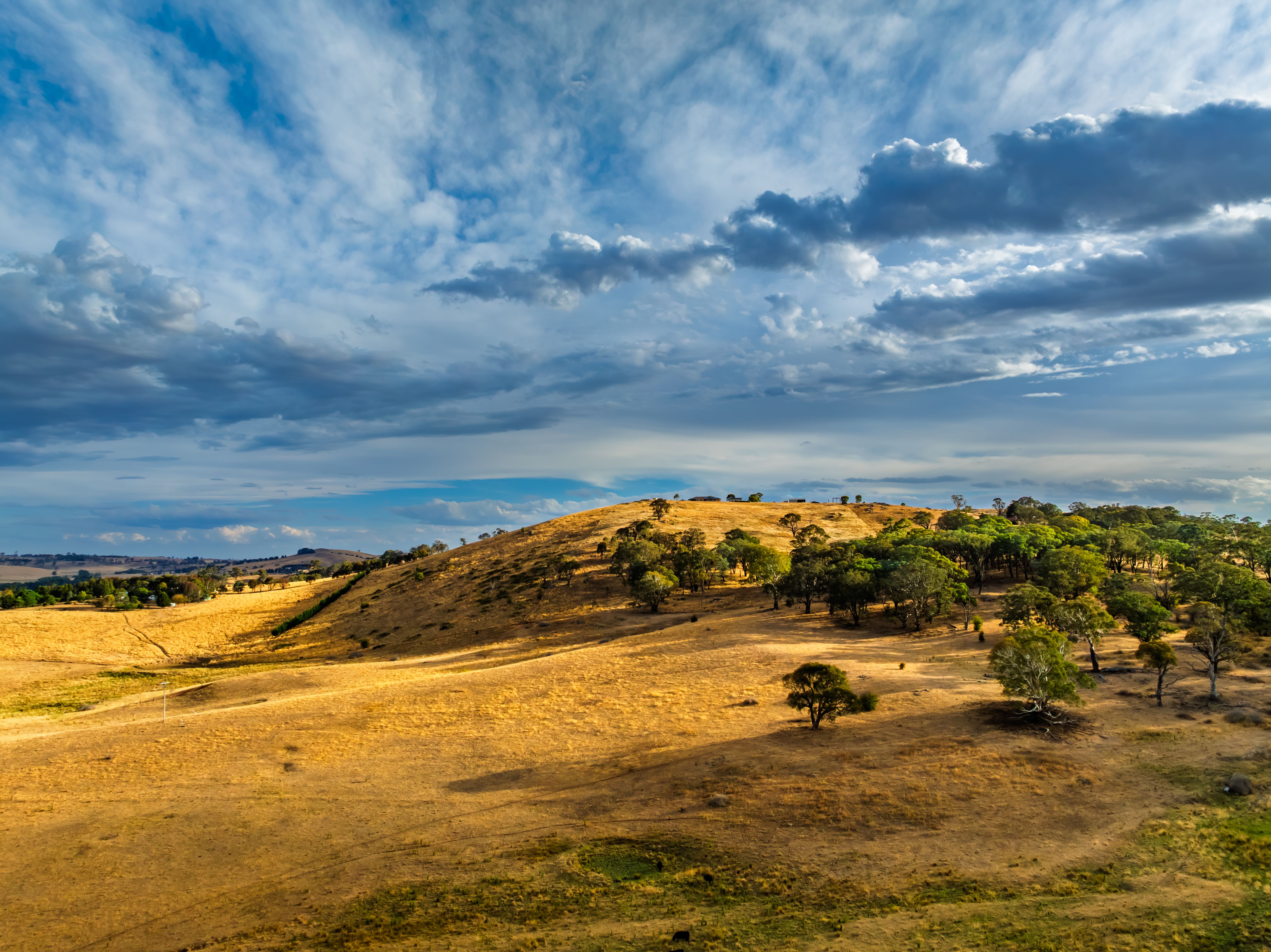
Winter, on the other hand, offers softer light and more dramatic skies. This can be an excellent time for capturing moody landscapes. The key is to be prepared for sudden weather changes, which can affect drone stability and visibility.
Equipment Preparation
Ensuring your equipment is prepared for different seasonal conditions is essential. In the summer, heat can affect your drone’s battery life. It’s wise to carry extra batteries and allow your drone to cool down between flights. During the wet season, invest in weatherproof gear and always check the forecast before heading out.
Consider using ND filters to manage exposure in bright conditions, and always carry a microfiber cloth to keep your lens clean from dust or raindrops.
Location Scouting
Researching and selecting the right location is key to capturing stunning landscapes. In spring, the Outback is transformed with vibrant wildflowers, making it a perfect time to capture the desert in full bloom. Coastal areas during autumn provide dramatic seascapes with golden light and fewer tourists.
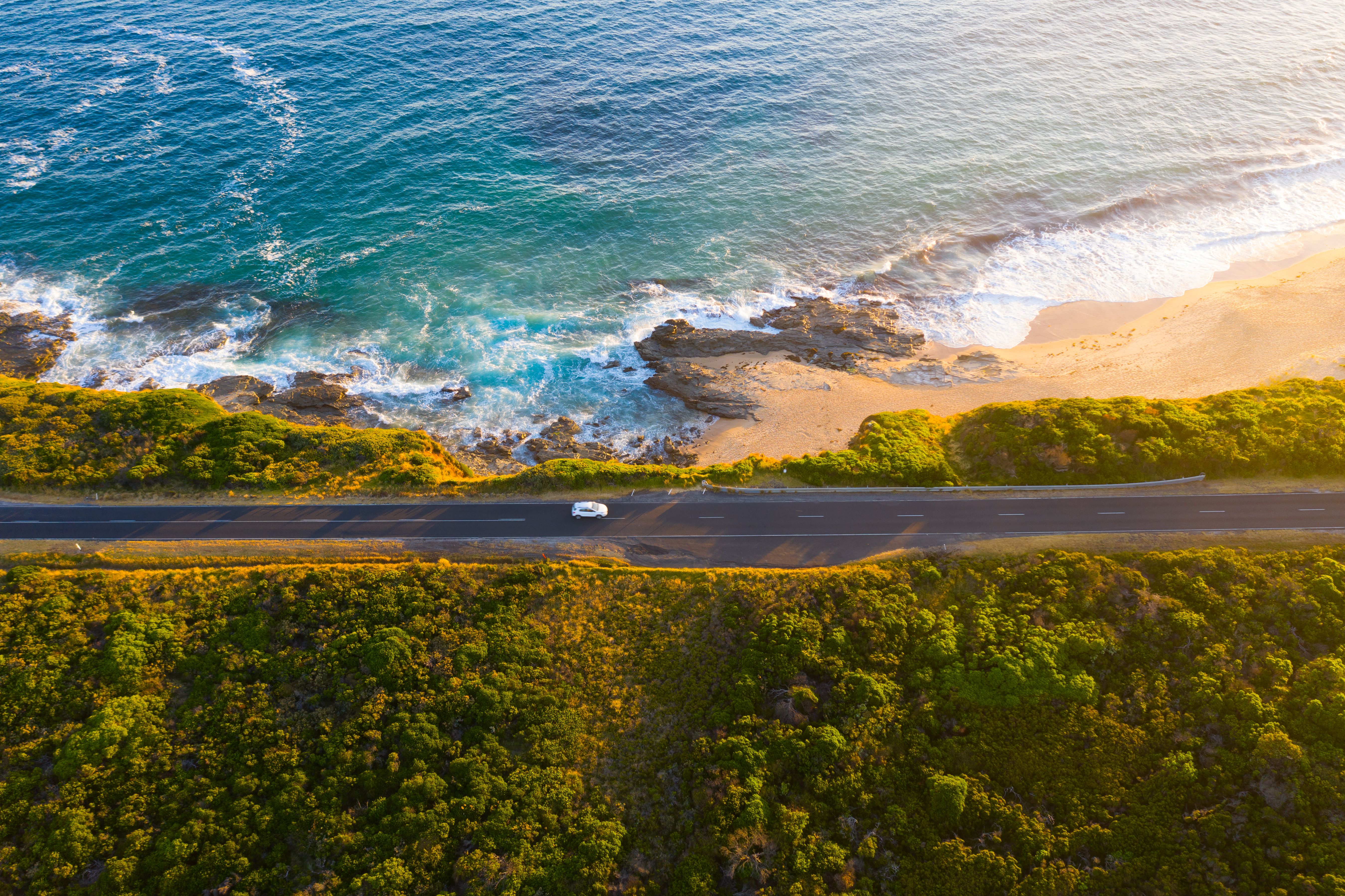
Use online resources and local photography forums to discover hidden gems and popular spots. Understanding the terrain and any potential hazards will ensure a safe and rewarding flying experience.
Time of Day Matters
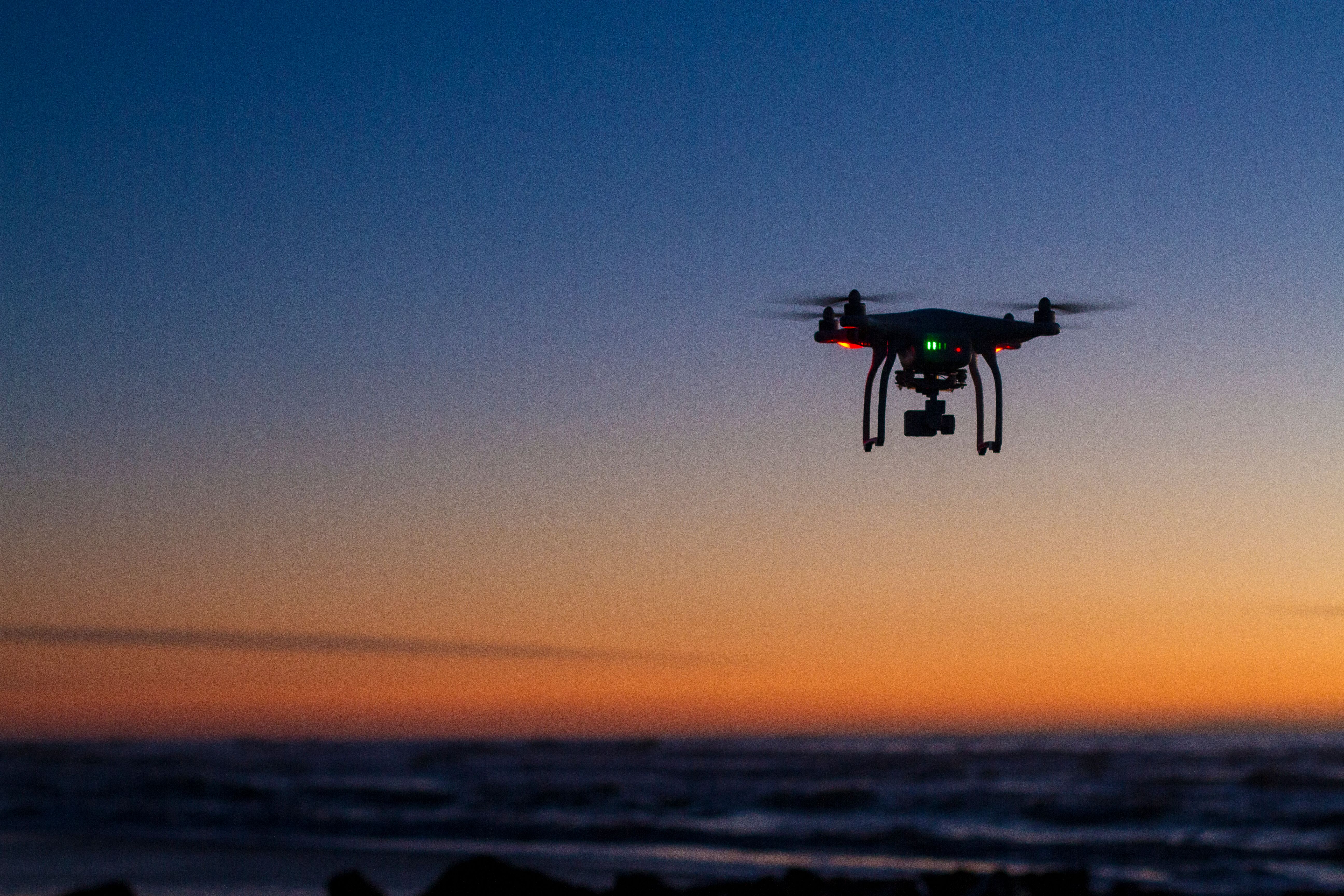
The time of day you choose to fly your drone can significantly impact your photos. Sunrise and sunset are universally preferred times for their soft lighting and stunning color palettes. In summer, early mornings can be cooler and less windy, providing ideal conditions for flying.
Midday flights might require more skill to manage shadows and highlights due to the intense sunlight. Planning your flights around the golden hour can elevate the quality of your landscape photography.
Editing and Post-Processing
Once you’ve captured your shots, post-processing can enhance your images. Software like Adobe Lightroom or Photoshop can help adjust exposure, contrast, and color balance to bring out the best in your photos. Experiment with different editing styles to find what best represents your vision.
Remember to maintain the natural beauty of the landscape. Over-editing can detract from the authenticity of your shots.
Respecting Nature and Regulations
Finally, always respect local wildlife and natural habitats. Ensure your drone activities comply with Australian aviation regulations, including avoiding restricted areas. By doing so, you protect both the environment and the future of drone photography in these pristine landscapes.
With these tips, you’re ready to explore and capture the magnificent landscapes of Australia with your drone. Each season offers new perspectives and opportunities to refine your craft and create stunning visual narratives.