
Navigating Drone Regulations in Australia: A Comprehensive Guide
JW
Understanding the Basics of Drone Regulations
Operating drones in Australia requires a thorough understanding of the regulatory framework established by the Civil Aviation Safety Authority (CASA). These regulations are designed to ensure the safety of airspace and the general public. Whether you are a hobbyist or a commercial operator, adhering to these rules is crucial.
CASA classifies drones into different categories based on their intended use and weight. Knowing which category your drone falls into is the first step in understanding your obligations. Generally, drones under 2 kg used for recreational purposes have fewer restrictions compared to larger, commercial drones.
Recreational Drone Use
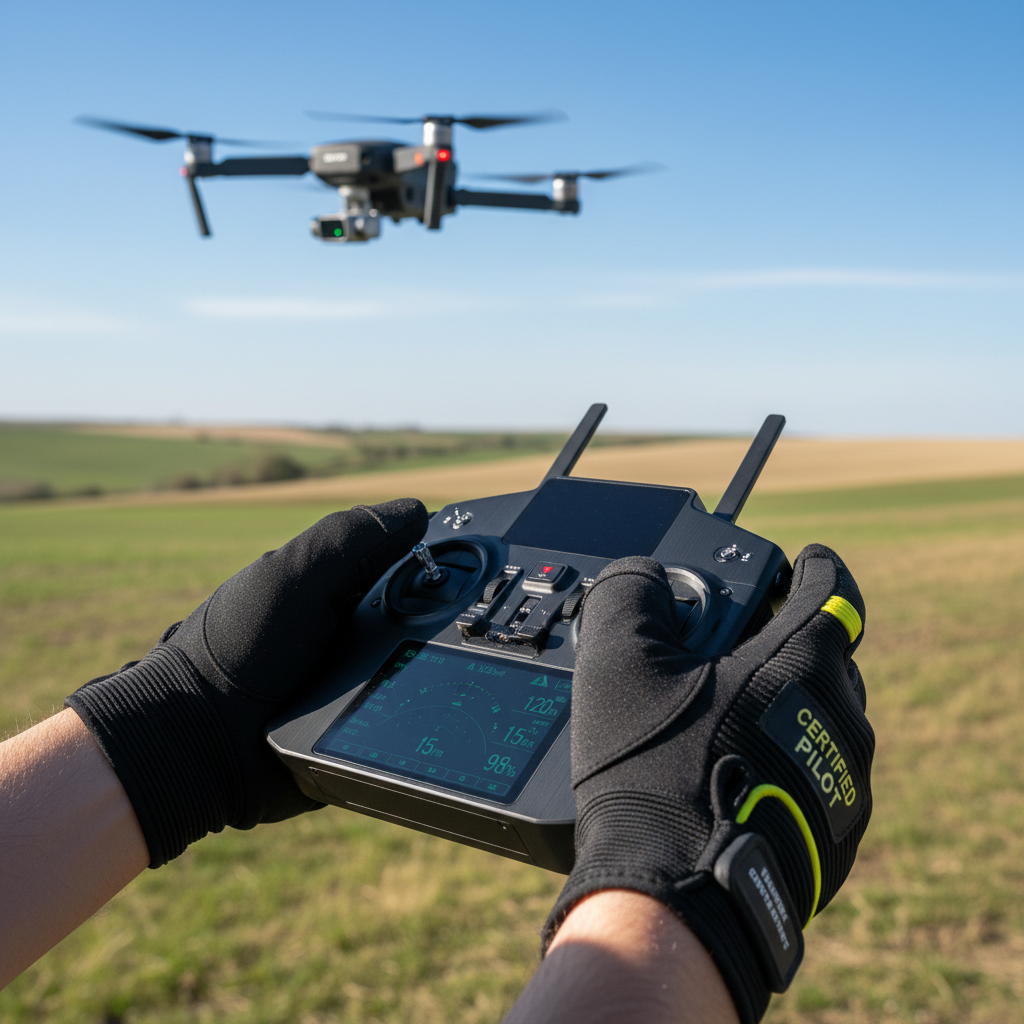
For recreational users, the rules are relatively straightforward. You must keep your drone within your line of sight and at least 30 meters away from people. Additionally, flying higher than 120 meters above ground level is prohibited. These measures are in place to prevent accidents and ensure the safety of both the drone operator and the public.
It's also important to avoid flying your drone near emergency operations, such as bushfires or police activities, as this could interfere with critical operations. Always check for temporary flight restrictions in your area before flying.
Restricted Areas
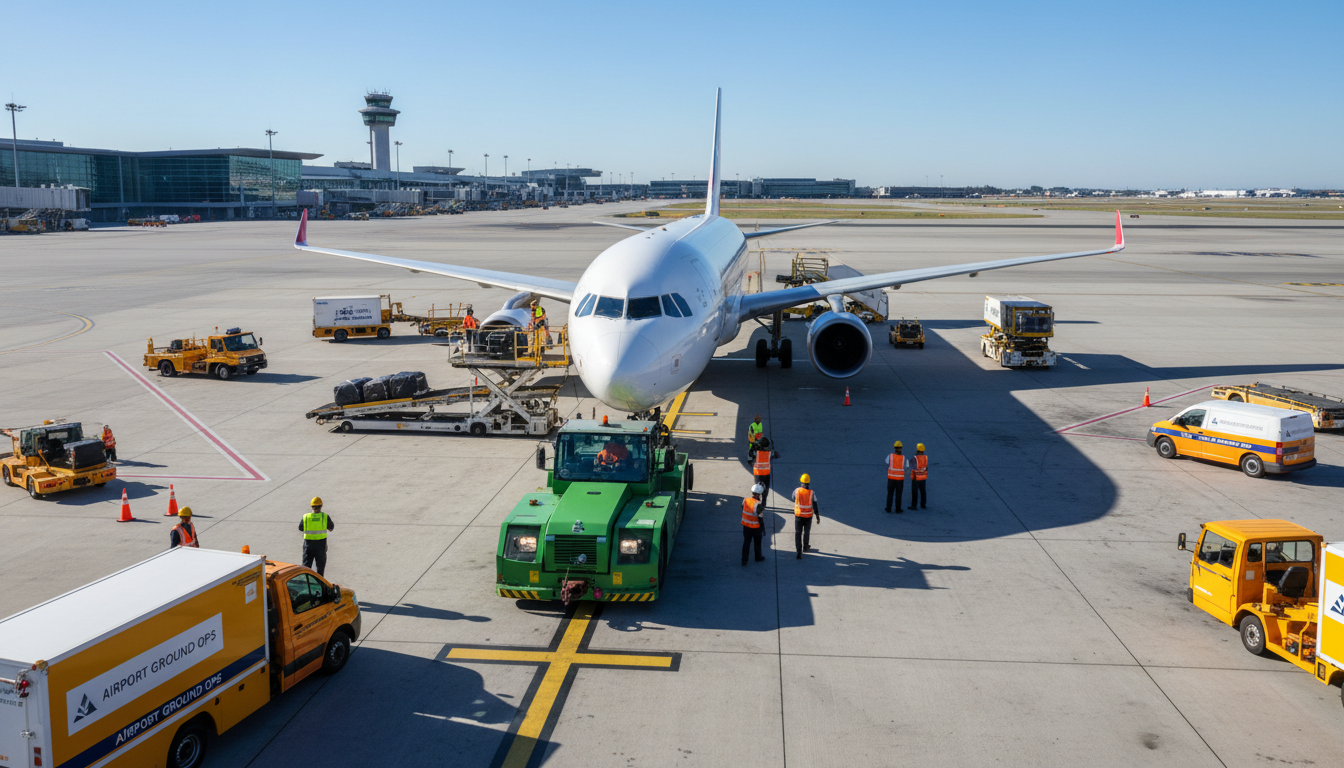
Certain areas, such as airports and helicopter landing sites, are strictly off-limits to drones. CASA provides interactive maps to help operators identify no-fly zones. Using these tools can prevent accidental violations and potential fines.
Commercial Drone Operations
Commercial drone use is subject to more stringent regulations. Operators must obtain a Remote Pilot Licence (RePL) and an operator’s certificate from CASA. These certifications ensure that the pilot has the necessary skills and knowledge to operate drones safely in various environments.
Additionally, commercial operators must maintain detailed records of their flights and conduct regular maintenance checks on their drones. These requirements are designed to uphold high safety standards in commercial operations.
Insurance and Liability
Insurance is another vital consideration for commercial operators. Having appropriate coverage can protect against potential liabilities, such as property damage or personal injury caused by drone operations. Insurance requirements vary, so it's important to choose a policy that suits your specific needs.

Future of Drone Regulations
The landscape of drone regulations in Australia is continually evolving. As technology advances, CASA is likely to introduce new rules to address emerging challenges and opportunities. Staying informed about these changes is essential for both recreational and commercial operators.
Engaging with industry groups and forums can provide insights into upcoming regulatory developments and best practices. This proactive approach can help operators remain compliant and avoid unexpected disruptions.
In conclusion, navigating drone regulations in Australia requires careful attention to detail and a commitment to safety. By understanding and adhering to CASA's rules, drone operators can enjoy the benefits of this exciting technology while minimizing risks.