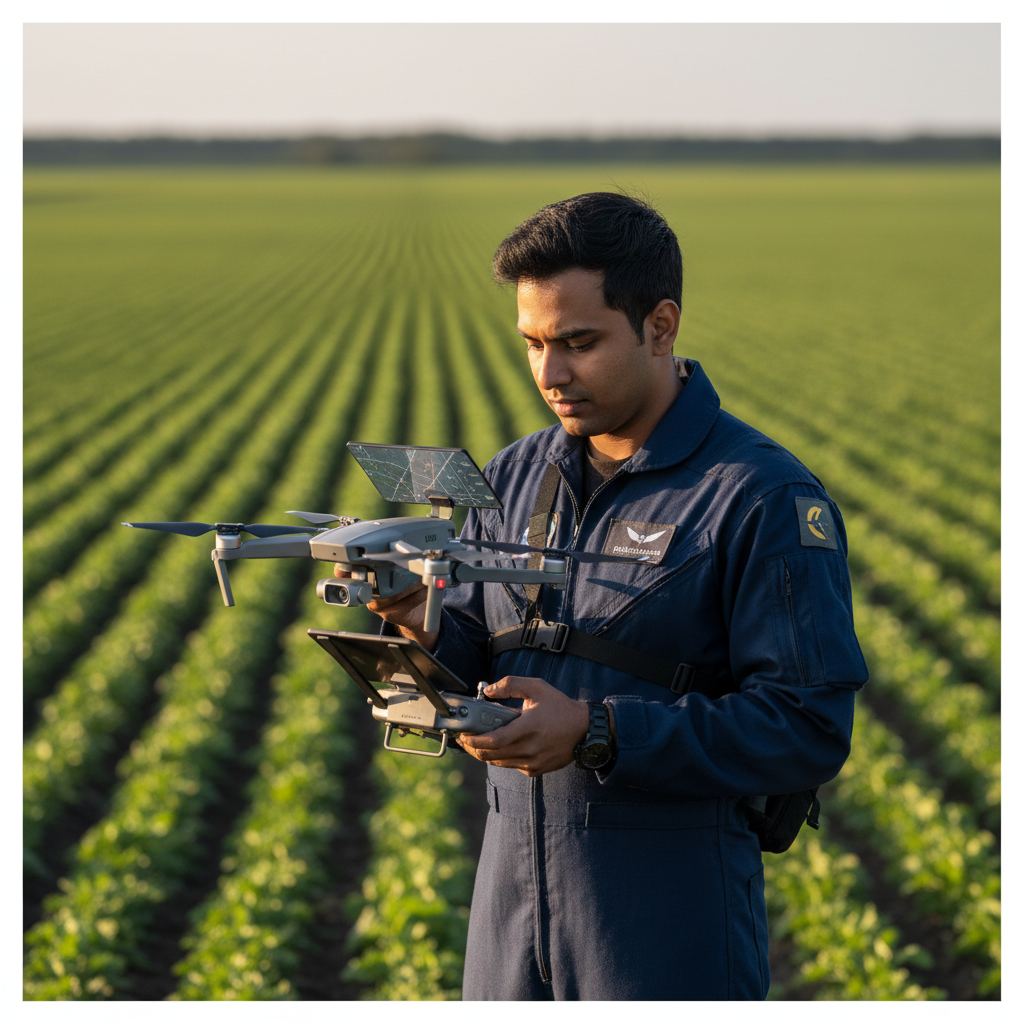
Mastering Aerial Videography: A Comprehensive Guide
JW
In recent years, aerial videography has transformed from a niche hobby into a mainstream art form. With the rise of drones, capturing stunning visuals from above has become accessible to both amateurs and professionals. Mastering this craft, however, requires more than just owning a drone. It demands an understanding of equipment, techniques, and safety protocols.
Choosing the Right Equipment
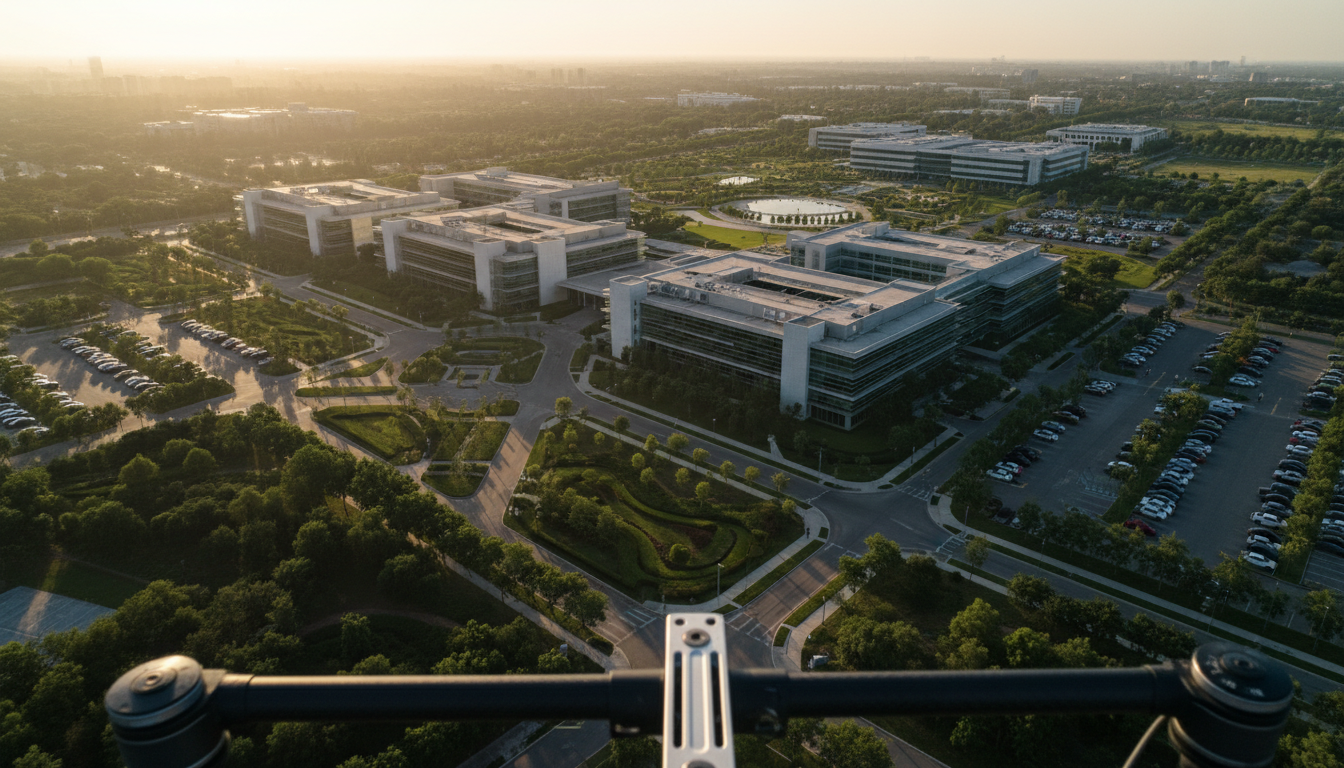
Your journey into aerial videography begins with selecting the right equipment. Not all drones are created equal, and your choice will depend on your specific needs and budget. When selecting a drone, consider factors like camera quality, flight time, and stability. A drone with a high-resolution camera and a gimbal stabilizer can make a significant difference in the quality of your footage.
Additionally, investing in extra batteries and propellers is wise. Extended flight times allow for more creative shots, and having spare parts ensures you're prepared for minor mishaps. Consider drones with features like obstacle avoidance and GPS for safer flights.
Mastering the Basics of Flight
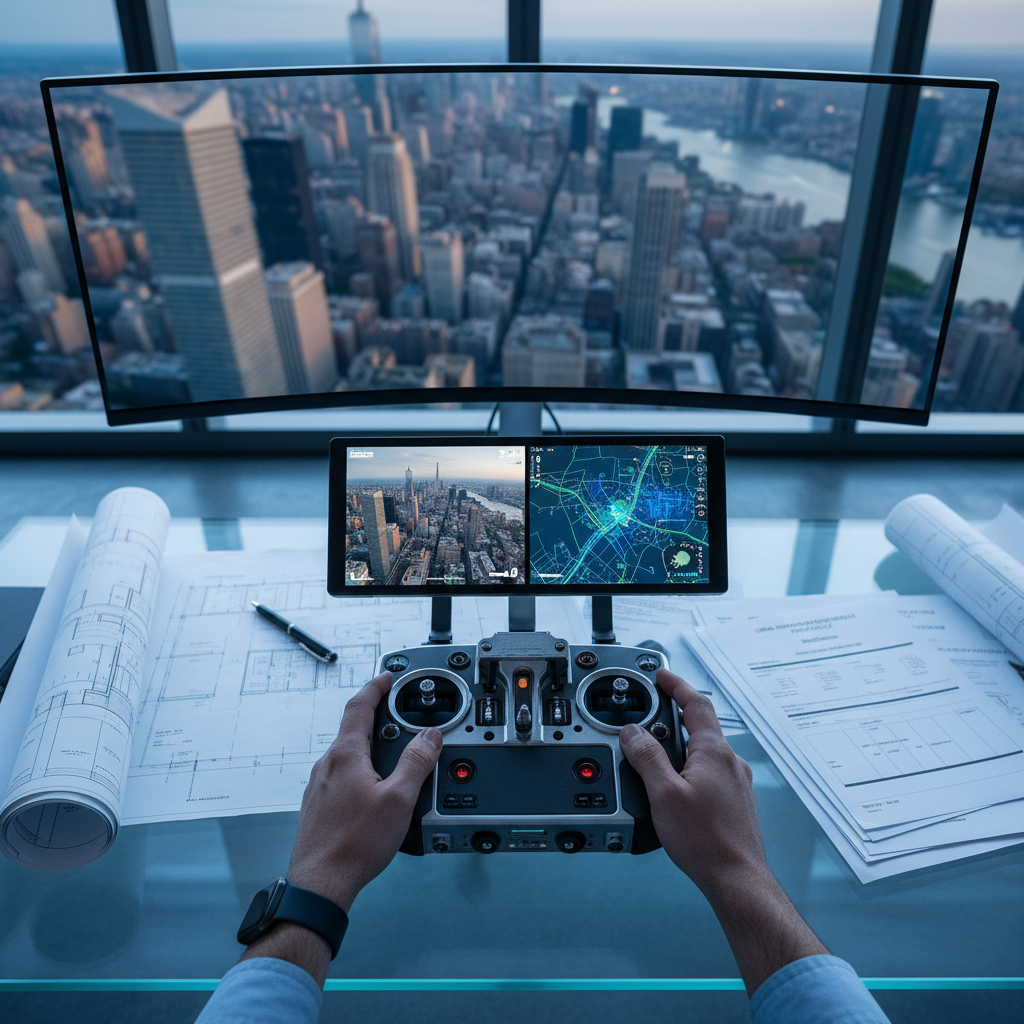
Before taking to the skies, it's crucial to master the basics of drone flight. Practicing in open areas can help you understand your drone's controls and capabilities. Focus on smooth movements, as jerky actions can negatively impact video quality. Learning to hover steadily is essential for capturing clear, stable footage.
Understanding weather conditions is also vital. Wind and rain can affect your drone's performance and safety. Always check the weather forecast before planning your shoot, and be prepared to adapt if conditions change unexpectedly.
Composition and Cinematic Techniques
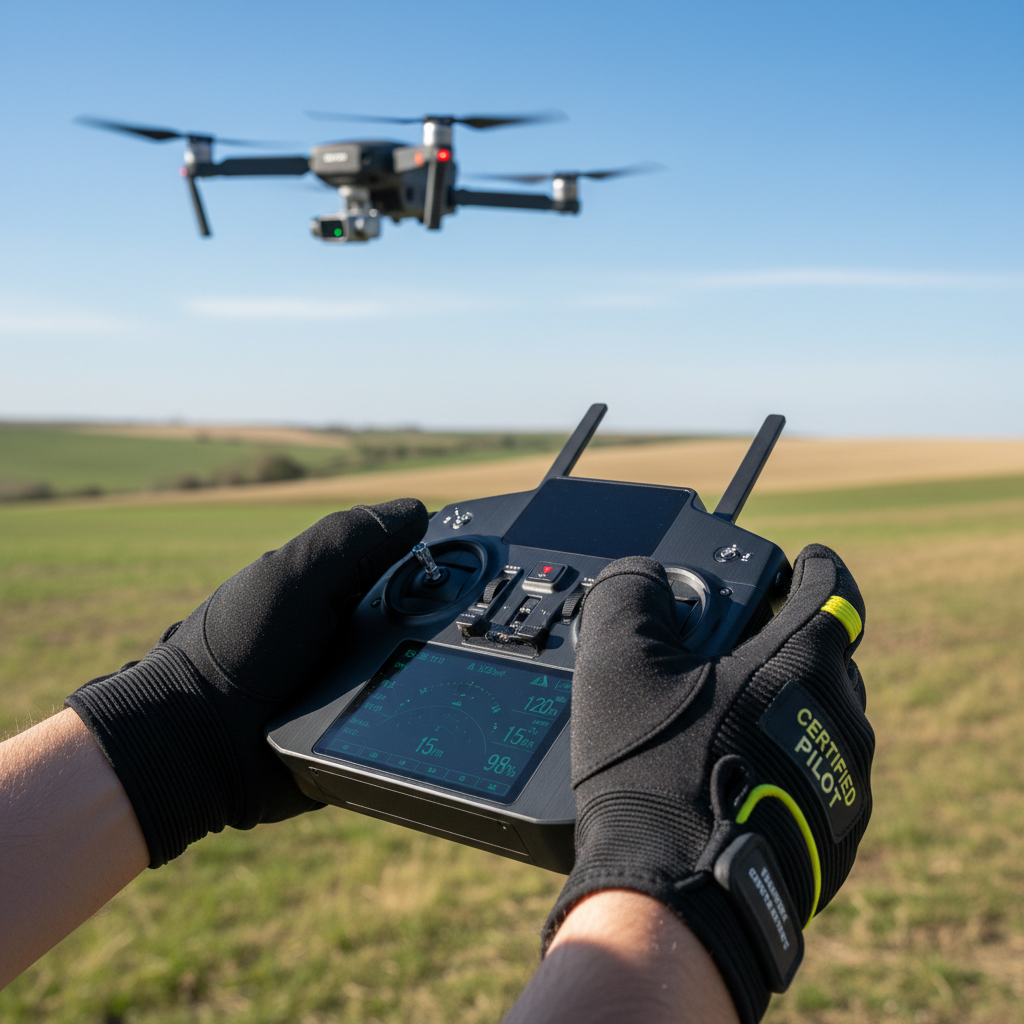
Once you're comfortable with flying, the next step is to apply cinematic techniques to your videography. Consider the rule of thirds when framing your shots, and use leading lines to draw viewers' attention. Experiment with different angles and heights to find unique perspectives.
Incorporating dynamic movements like pans, tilts, and tracking shots can add drama to your videos. Practice these maneuvers to achieve fluid and professional-looking footage. Remember, the goal is to tell a story through your visuals, so plan your shots to create a cohesive narrative.
Editing Your Footage
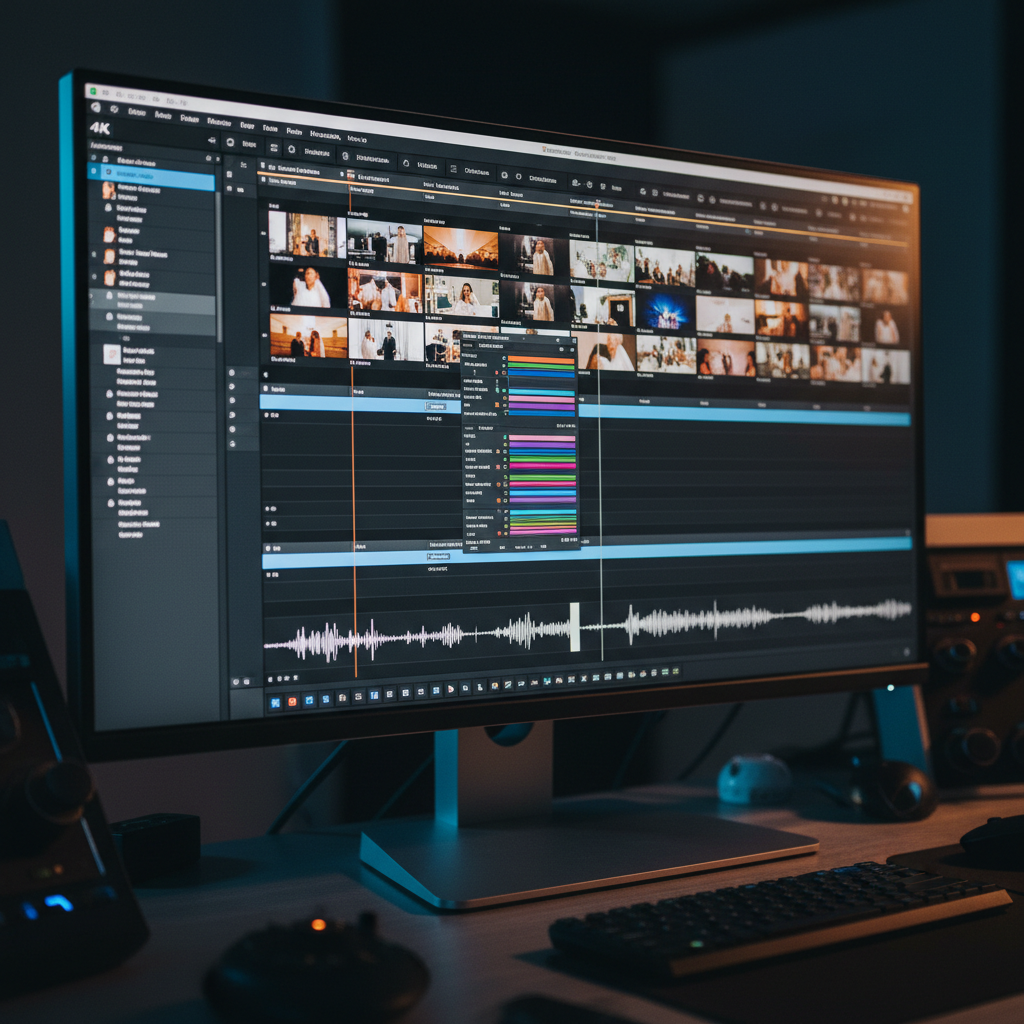
Editing is where your aerial footage comes to life. Software like Adobe Premiere Pro and Final Cut Pro offers powerful tools to enhance your videos. Begin by organizing your clips and selecting the best takes. Trim any unnecessary parts, and use color grading to enhance the visual appeal.
Incorporate music and sound effects to complement your visuals. Pay attention to the pacing of your edit, ensuring it matches the mood you want to convey. Transitions can help maintain flow, but use them sparingly to avoid distractions.
Safety and Legal Considerations
Safety and legality are paramount in aerial videography. Familiarize yourself with local regulations regarding drone usage. Many areas require registration and restrict flights in certain zones, such as near airports or crowded places.
Respect privacy and avoid filming in sensitive areas. Always keep your drone within line of sight, and be mindful of other airspace users. Adhering to these guidelines not only ensures your safety but also helps maintain the integrity of the drone community.
By mastering these aspects of aerial videography, you can capture breathtaking footage that captivates audiences. Continuous practice and experimentation will refine your skills, allowing you to create stunning visuals from the sky.