
Latest Trends in Drone Cinematography in Australia
JW
Introduction to Drone Cinematography in Australia
Drone cinematography has revolutionized the way filmmakers capture stunning aerial shots, offering a new perspective that was once difficult and costly to achieve. In Australia, this trend is taking off as more filmmakers are embracing the technology to tell their stories in unique and visually captivating ways. From sweeping landscapes to intricate urban scenes, drones are opening up a world of possibilities.
The growth of drone cinematography in Australia can be attributed to advancements in technology, regulatory support, and the creative community's eagerness to explore new horizons. This synergy has led to some remarkable trends that are shaping the industry today.
Advanced Drone Technology
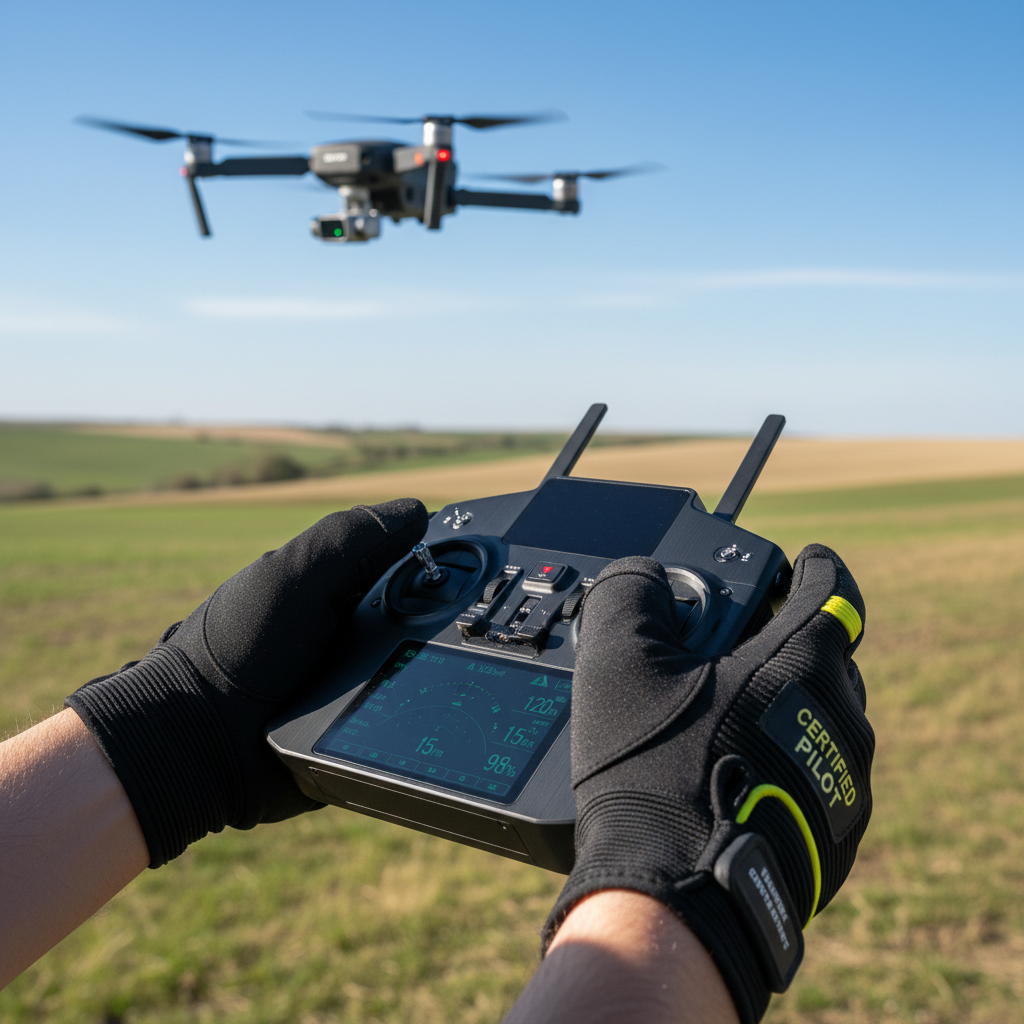
One of the most significant trends in drone cinematography is the rapid advancement of technology. Drones are now equipped with high-resolution cameras, longer battery life, and advanced stabilization systems. These improvements allow filmmakers to capture ultra-smooth footage, even in challenging conditions.
Moreover, innovations such as obstacle avoidance systems and GPS tracking are making drones safer and more reliable. This means that filmmakers can focus more on creativity and less on operational concerns, pushing the boundaries of what's possible in aerial cinematography.
Integration of AI and Automation
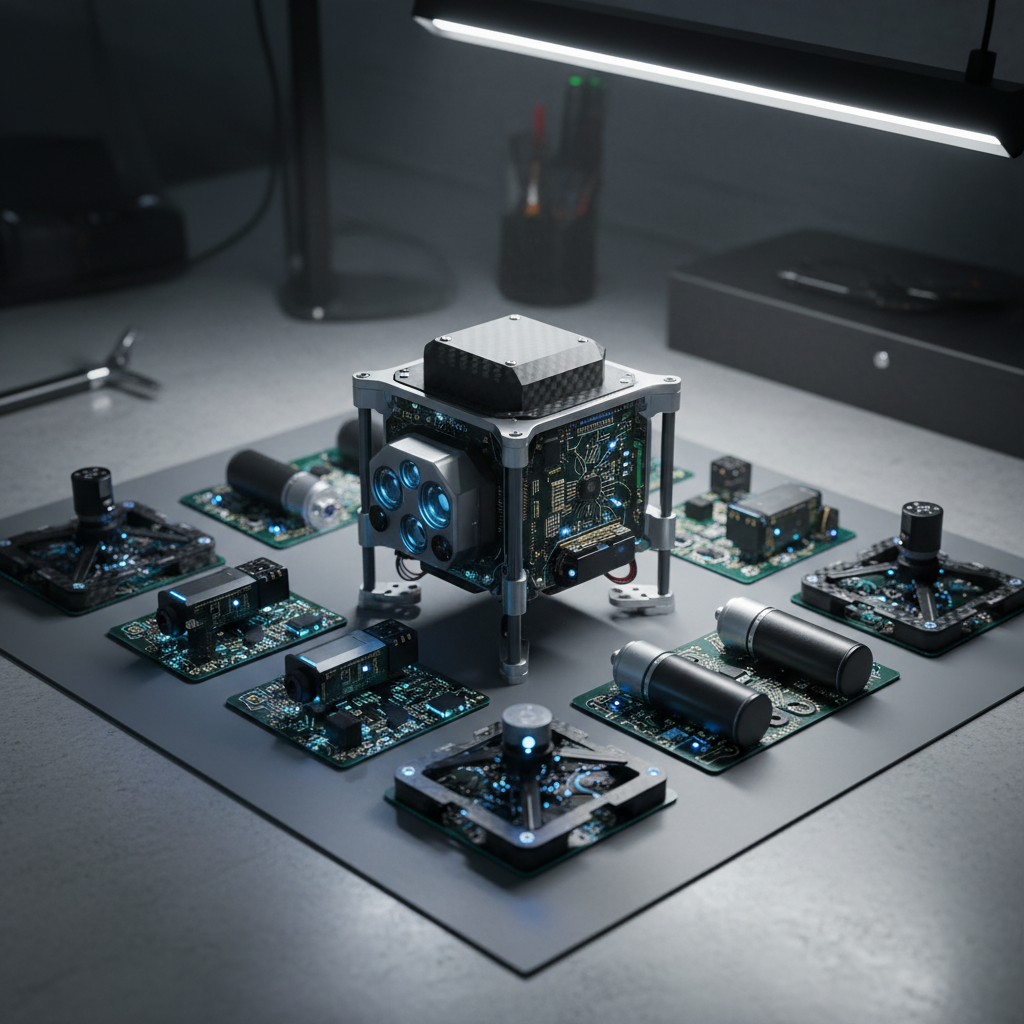
Artificial Intelligence (AI) is playing an increasingly important role in drone cinematography. Modern drones are equipped with AI-driven features that allow for automated flight paths, object tracking, and scene recognition. This not only enhances efficiency but also enables filmmakers to achieve complex shots with ease.
Regulatory Developments
Australia has been proactive in developing regulations that support the use of drones in cinematography. The Civil Aviation Safety Authority (CASA) has established guidelines that ensure safety while encouraging innovation. These regulations are helping to standardize drone operations, making it easier for filmmakers to incorporate drones into their projects.
Additionally, initiatives such as the introduction of drone pilot licensing and training programs are contributing to the professionalization of the field, ensuring that operators are skilled and knowledgeable.
Environmental Impact and Sustainability
As sustainability becomes a focal point in filmmaking, drones offer an eco-friendly alternative to traditional methods. Compared to helicopters and cranes, drones consume less energy and have a smaller carbon footprint. This makes them an attractive option for environmentally conscious filmmakers in Australia.
Creative Uses in Various Industries
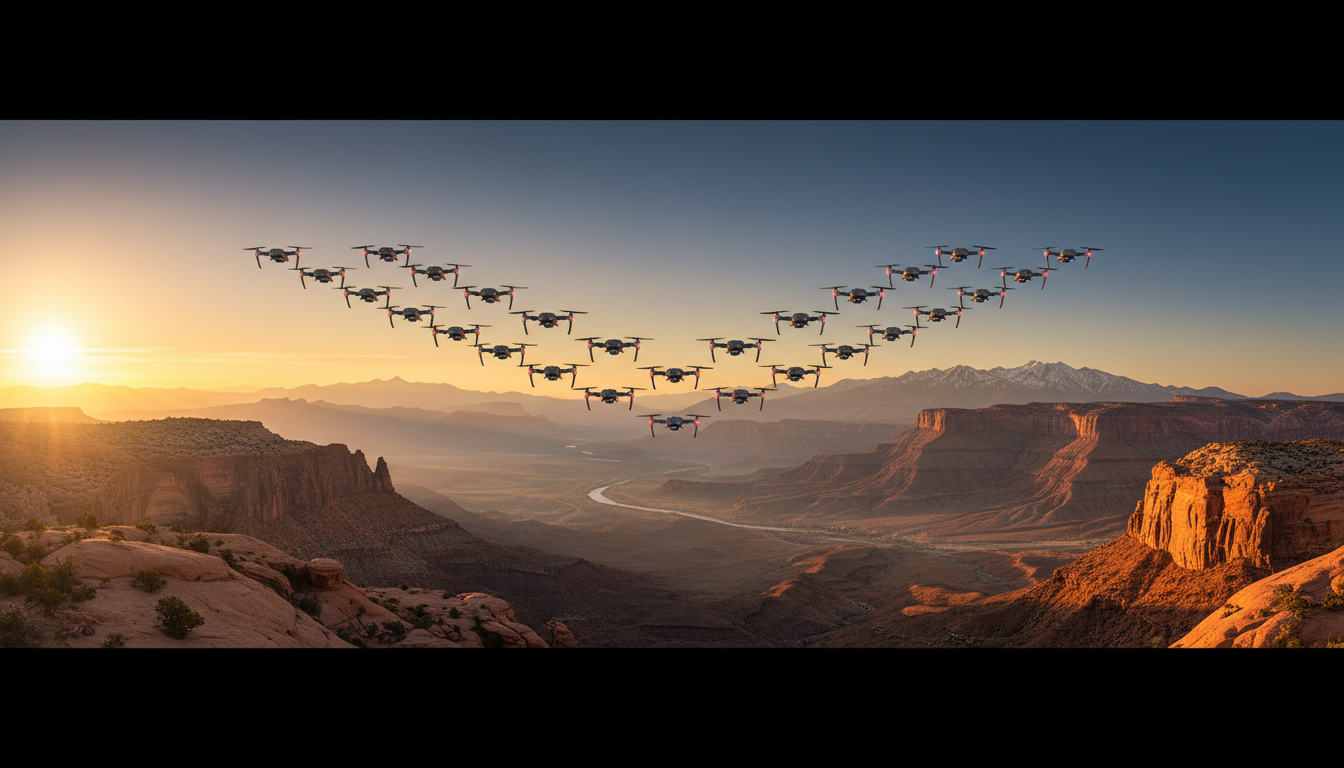
While drones are widely used in the film and television industry, their applications extend beyond entertainment. In Australia, drones are increasingly being utilized for promotional videos, real estate showcases, and tourism marketing. The versatility of drones allows creators to craft compelling visual narratives across different sectors.
In tourism, for example, drones are used to capture breathtaking views of Australia's natural wonders, helping to attract visitors and boost the industry. This trend highlights the potential of drone cinematography to enhance storytelling across diverse fields.
The Future of Drone Cinematography
As technology continues to evolve and regulations adapt, the future of drone cinematography in Australia looks promising. Filmmakers are expected to explore new creative possibilities, integrating virtual reality (VR) and augmented reality (AR) to create immersive experiences. The potential for innovation is limitless, and the industry is poised for exciting developments.
In conclusion, drone cinematography is transforming the landscape of filmmaking in Australia. With cutting-edge technology, supportive regulations, and a focus on sustainability, drones are becoming an indispensable tool for creators eager to capture the world from a new perspective.