
Exploring the Art of Aerial Filming: Top Techniques from Leading Videographers
JW
The art of aerial filming has revolutionized the way stories are told through video. With the advent of drones and advanced camera technology, filmmakers can capture stunning visuals from angles previously unimaginable. This post delves into the top techniques employed by leading videographers to master the craft of aerial filming.
Choosing the Right Equipment
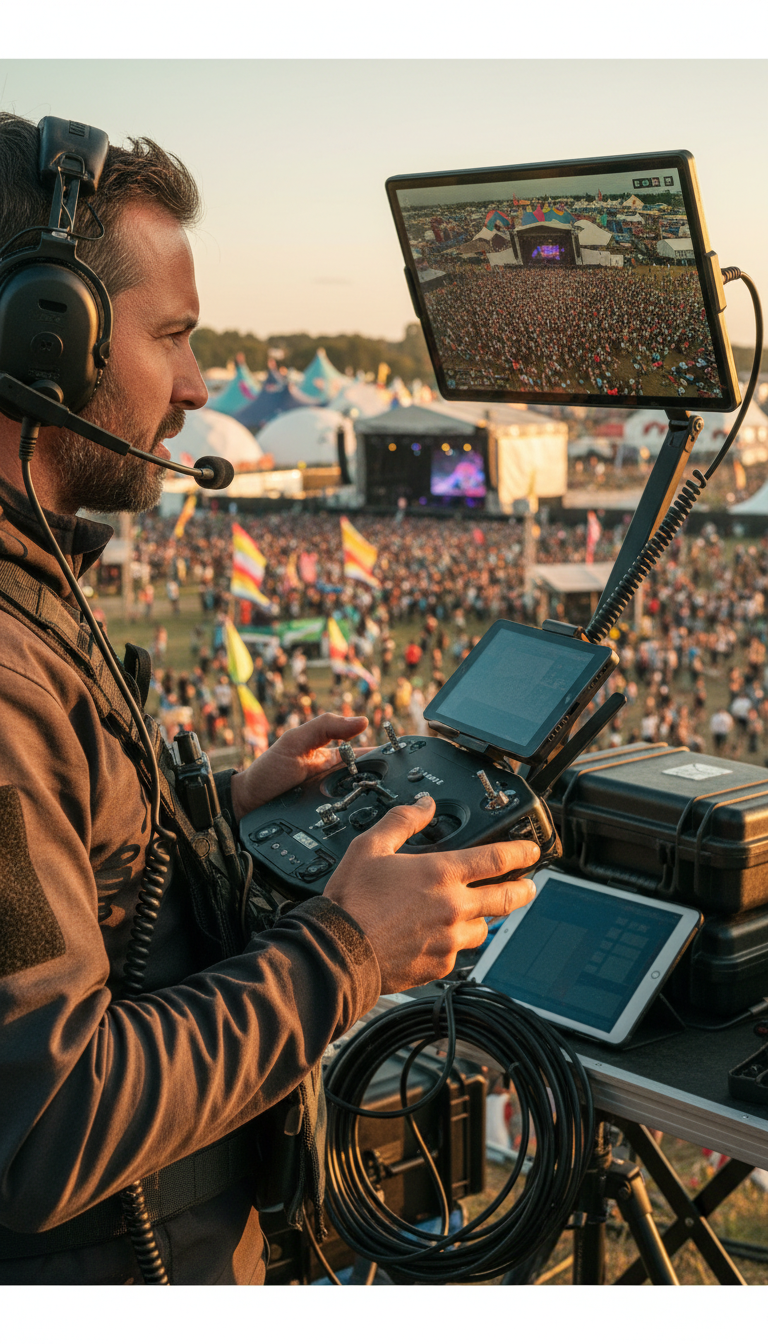
One of the first steps in aerial filming is selecting the appropriate equipment. The type of drone and camera you choose will significantly impact the quality of your footage. High-end drones equipped with 4K cameras and gimbals are preferred for professional projects, providing stability and high-resolution images.
It's important to consider the drone's flight time and range. Longer battery life and extended range allow for more flexibility and creativity during shoots. Additionally, investing in a drone with obstacle avoidance technology can prevent accidents and ensure smoother flights.
Mastering Camera Settings
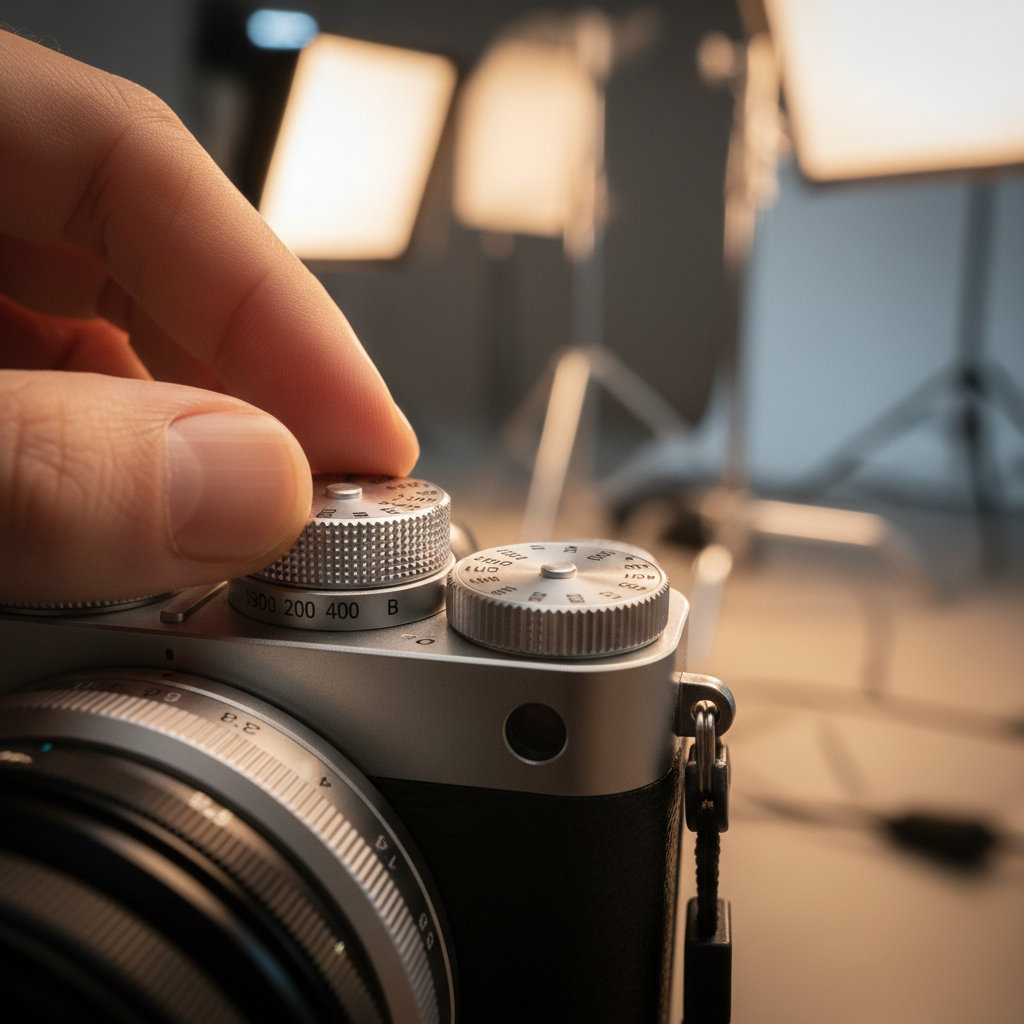
Understanding and adjusting your camera settings is crucial for capturing the perfect shot. Key settings include ISO, shutter speed, and aperture. A low ISO is ideal for reducing noise and achieving clearer images, while a faster shutter speed helps in capturing fast-moving subjects without blur.
Aperture settings can affect the depth of field, allowing videographers to emphasize particular subjects in a scene. Experimenting with different settings can help you achieve the desired cinematic effect, whether shooting in broad daylight or low-light conditions.
Utilizing Filters
Filters can be invaluable tools in aerial filming. Neutral density (ND) filters are particularly useful, as they reduce the amount of light entering the lens, allowing for greater control over exposure and motion blur. Polarizing filters can also enhance colors and reduce reflections, especially when filming over water or reflective surfaces.
Planning Your Shots
Effective planning is essential for successful aerial filming. Scouting locations beforehand and understanding the terrain can help in anticipating potential challenges. Creating a shot list and storyboard can streamline the filming process, ensuring that you capture all necessary footage efficiently.
Consider the time of day for your shoot. The golden hour, just after sunrise or before sunset, offers soft, warm lighting that can enhance the visual appeal of your footage. Weather conditions should also be monitored, as strong winds or rain can hinder drone performance.
Post-Production Techniques
Post-production plays a vital role in transforming raw footage into a polished final product. Editing software allows videographers to stabilize footage, correct colors, and add effects that enhance the overall storytelling. Techniques such as color grading can dramatically alter the mood and tone of a scene.
Sound design is another crucial aspect of post-production. Incorporating ambient sounds or a fitting soundtrack can elevate the impact of your visuals, providing a more immersive experience for the audience.
Collaboration and Continuous Learning
The art of aerial filming is continually evolving, with new technologies and techniques emerging regularly. Collaborating with other videographers and participating in workshops or online communities can provide valuable insights and inspire creativity.
Continuous learning and experimentation are key to mastering aerial filming. By staying updated with the latest trends and embracing innovative ideas, videographers can push the boundaries of what's possible in this dynamic field.