
Drone Cinematography vs. Traditional Filming: What You Need to Know
JW
Understanding Drone Cinematography
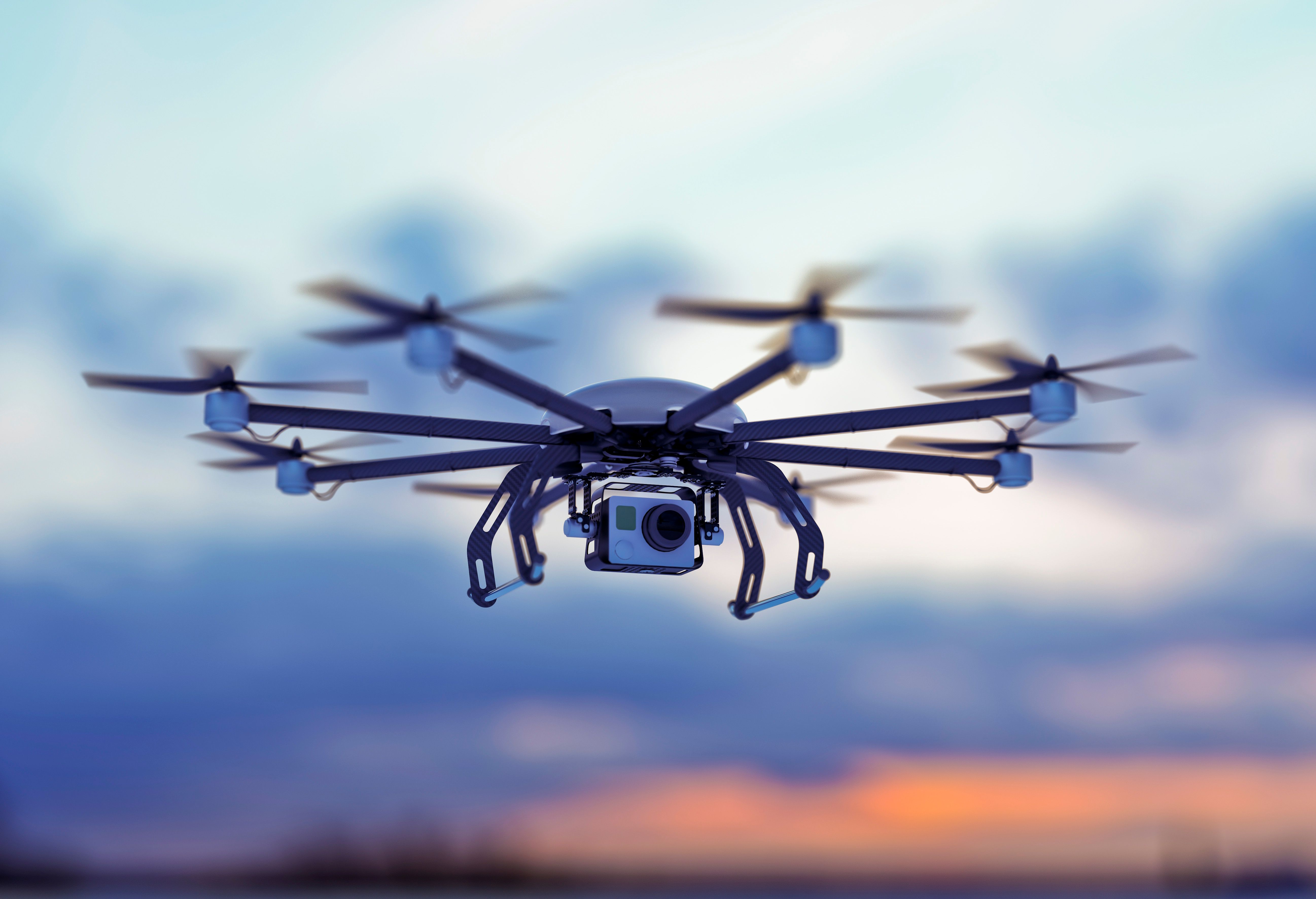
Drone cinematography has revolutionized the way filmmakers capture footage, offering a bird's-eye view that was once only possible with helicopters or cranes. The compact nature and maneuverability of drones allow for creative angles and dynamic shots that were previously unimaginable.
One of the primary benefits of using drones is their ability to capture stunning aerial shots at a fraction of the cost of traditional methods. This has made high-quality aerial footage accessible to independent filmmakers and small production companies.
The Advantages of Drone Cinematography
The flexibility and versatility of drones enable filmmakers to shoot in locations that are challenging or impossible to access with traditional equipment. Drones can fly low and close to subjects, capturing intimate details and enhancing the storytelling experience.
Furthermore, drones come equipped with advanced stabilization technology, ensuring smooth and steady shots even in windy conditions. This technology provides filmmakers with professional-grade footage without the need for bulky stabilizing equipment.
Traditional Filming Techniques
Despite the burgeoning popularity of drones, traditional filming methods remain essential in the industry. Traditional equipment like dollies, cranes, and Steadicams offer unparalleled stability and control in a variety of settings, particularly for indoor or complex scenes.
Another advantage of traditional filming is the ability to use high-end cameras and lenses, which can offer superior image quality and depth of field. This is crucial for cinematic productions where image quality is paramount.

Comparing Costs and Accessibility
When it comes to cost, drones tend to be more budget-friendly compared to traditional methods. However, the initial investment in high-quality drone equipment and the need for skilled operators can add to expenses. On the other hand, traditional filming often involves renting expensive equipment or hiring larger crews, which can increase production costs.
Accessibility is another factor to consider. Drones are compact and easy to transport, making them ideal for remote or quick shoots. Traditional equipment requires more setup time and space, which can be a limitation in certain scenarios.
Legal and Safety Considerations
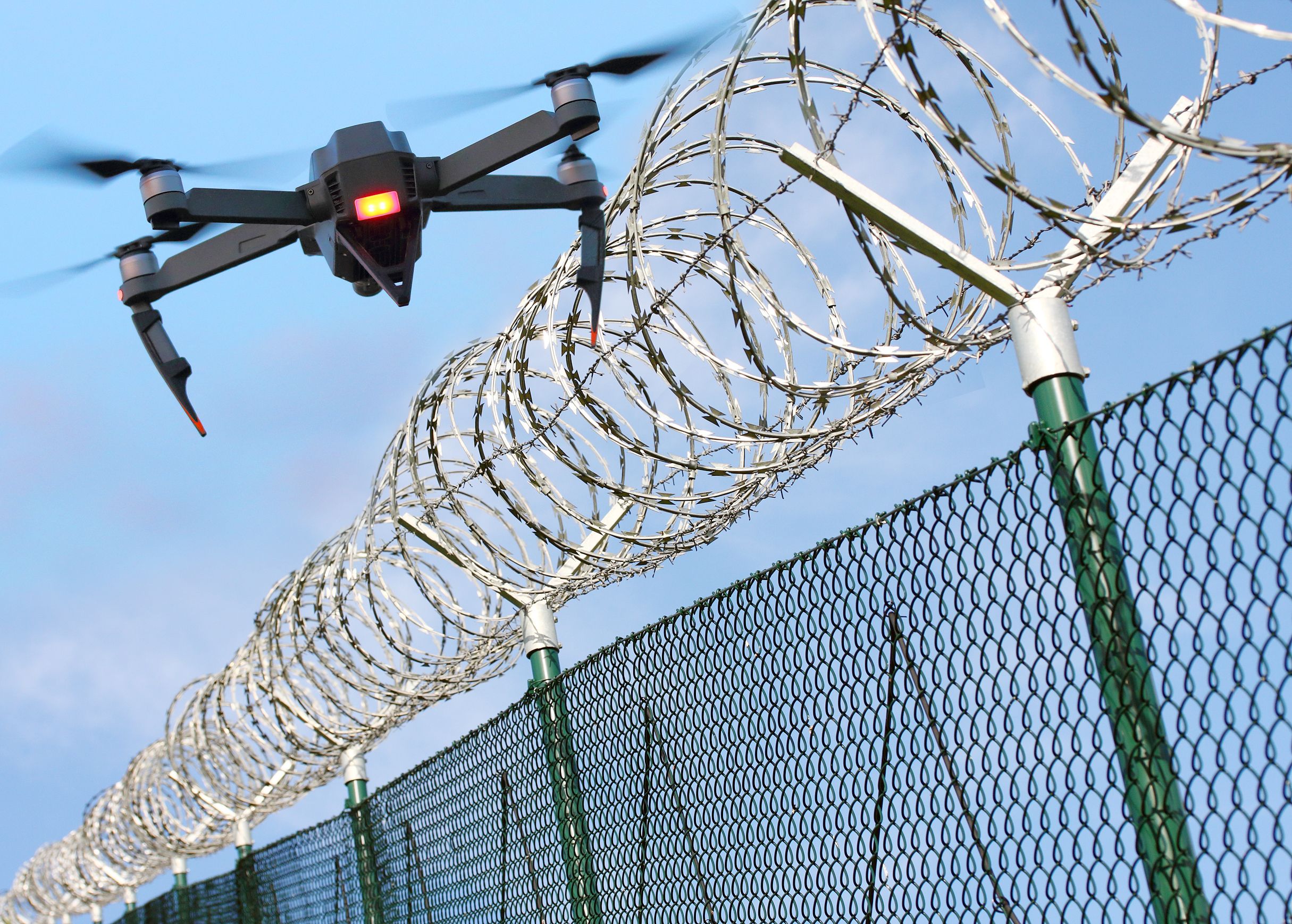
Operating drones involves adhering to strict regulations and safety guidelines. Filmmakers must obtain the necessary permits and ensure their drones are used safely and responsibly. This includes understanding airspace restrictions and maintaining a safe distance from people and property.
Conversely, traditional filming also comes with its own set of logistical challenges, such as securing permits for specific locations and ensuring the safety of crew and equipment. Both methods require careful planning and adherence to legal requirements to ensure a smooth production process.
Choosing the Right Method for Your Project
The choice between drone cinematography and traditional filming depends largely on the specific needs and goals of your project. For breathtaking aerial views and dynamic shots, drones are an excellent choice. However, for controlled environments or high-quality image requirements, traditional filming might be more suitable.
Ultimately, the best approach may be a combination of both, utilizing the strengths of each method to create a visually compelling and cost-effective production. Carefully assessing your project's needs will help you make an informed decision.