
Debunking Myths About Drone Cinematography in Australia
JW
Understanding Drone Cinematography
Drone cinematography has rapidly transformed the landscape of film and video production. With its ability to capture stunning aerial shots, it's no wonder that filmmakers in Australia and around the world are embracing this technology. However, along with its rise in popularity, several myths have emerged that can cloud the understanding of its true potential.
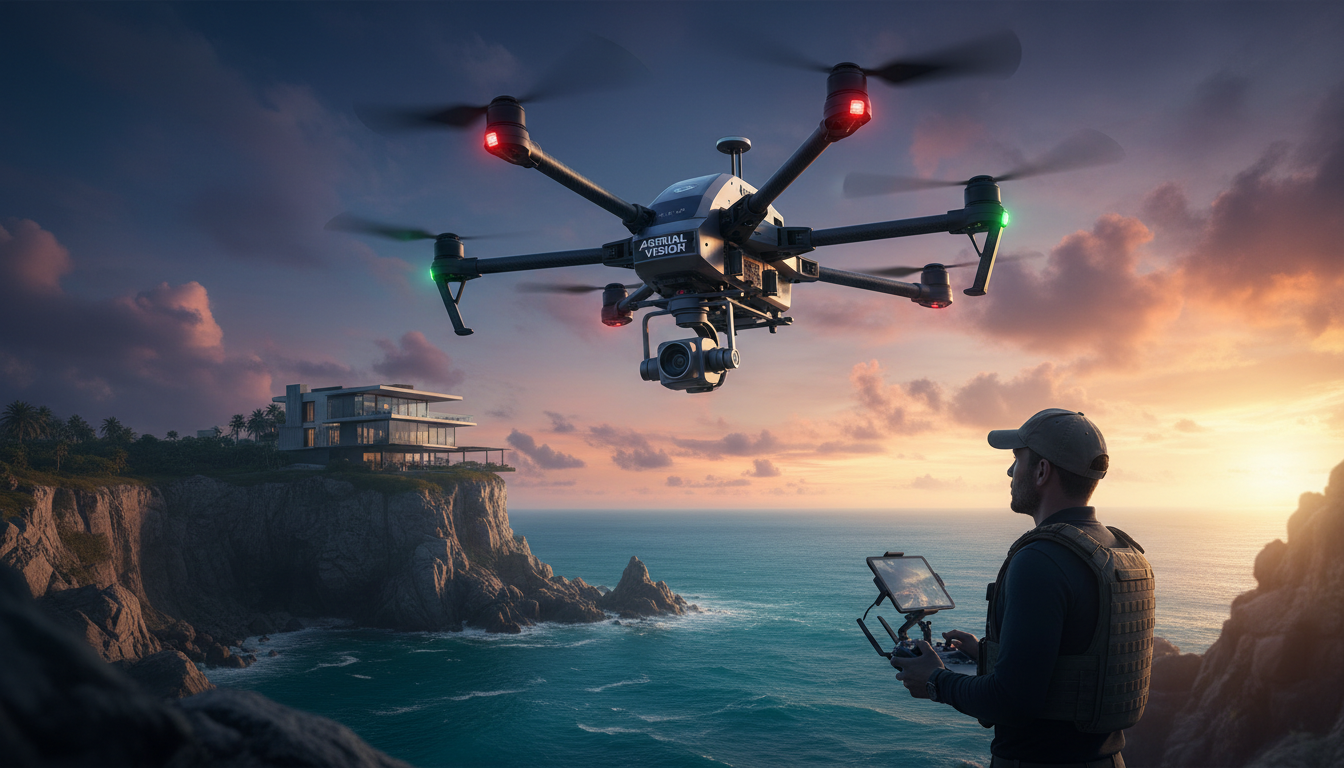
Myth 1: Drones Are Only for Big Productions
One common misconception is that drone cinematography is only viable for large-scale productions with hefty budgets. In reality, the cost of drones has become more accessible, allowing independent filmmakers and even hobbyists to leverage this technology. Many drones come equipped with high-quality cameras, enabling stunning visuals without breaking the bank.
Myth 2: Operating a Drone Is Incredibly Difficult
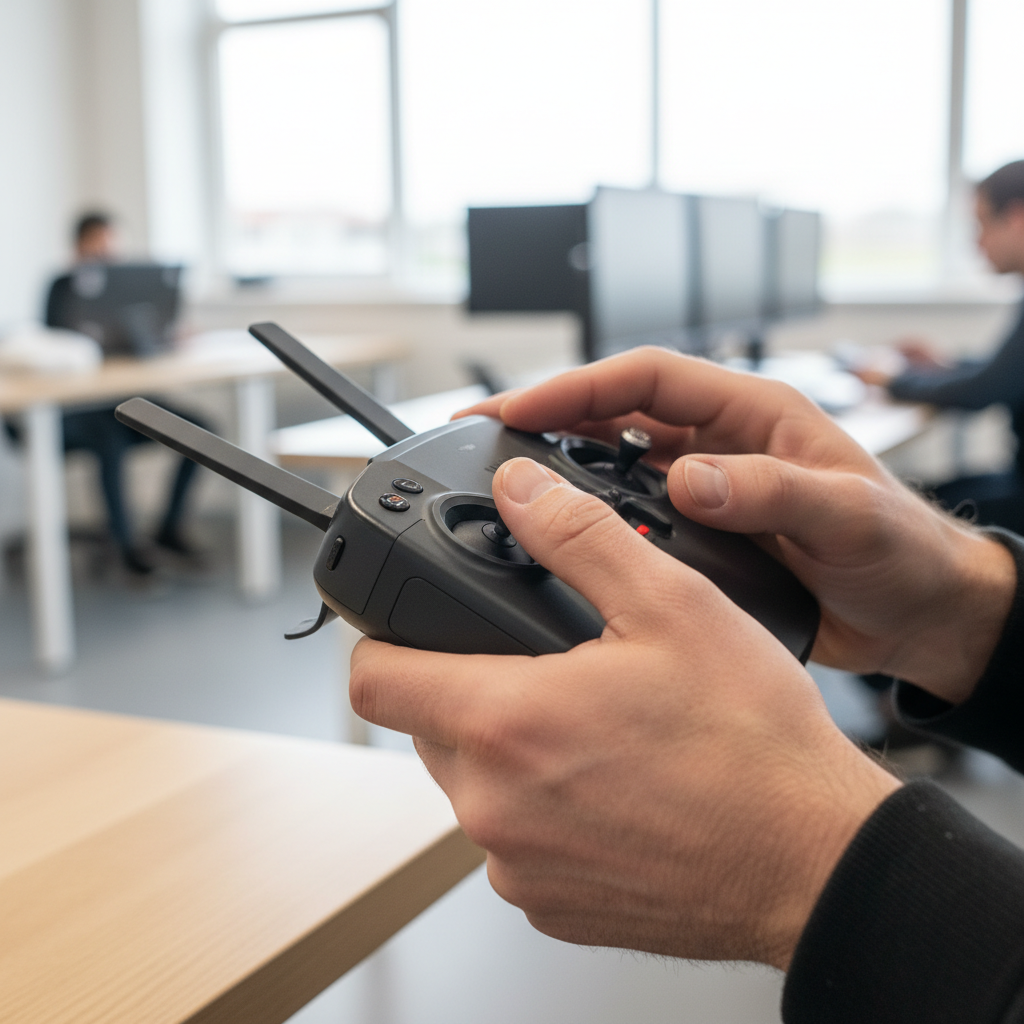
Another prevalent myth is that flying a drone requires extensive expertise. While it does take some practice to master, many modern drones offer user-friendly interfaces and automated flight modes that simplify the process. Aspiring drone pilots can benefit from online tutorials and training courses available across Australia.
Regulations and Safety
Safety concerns are often cited as a barrier to drone cinematography. It's crucial to understand that Australia has clear regulations governing drone use, ensuring safety for both operators and the public. By adhering to these rules, filmmakers can capture breathtaking footage without compromising safety.
Myth 3: Drones Are Unsafe
Some believe drones are inherently dangerous and prone to accidents. However, when operated responsibly and in accordance with guidelines set by the Civil Aviation Safety Authority (CASA), drones are a safe tool for aerial cinematography. Ensuring the operator is certified and aware of no-fly zones is key to maintaining safety.
Myth 4: Drones Can Only Capture Aerial Shots
While drones excel at capturing aerial views, they are not limited to this perspective. Drones can be used for various creative shots, including low-angle tracking and dynamic movements, providing filmmakers with a versatile tool for storytelling. This flexibility allows for innovative shot compositions that enhance the visual narrative.
The Future of Drone Cinematography
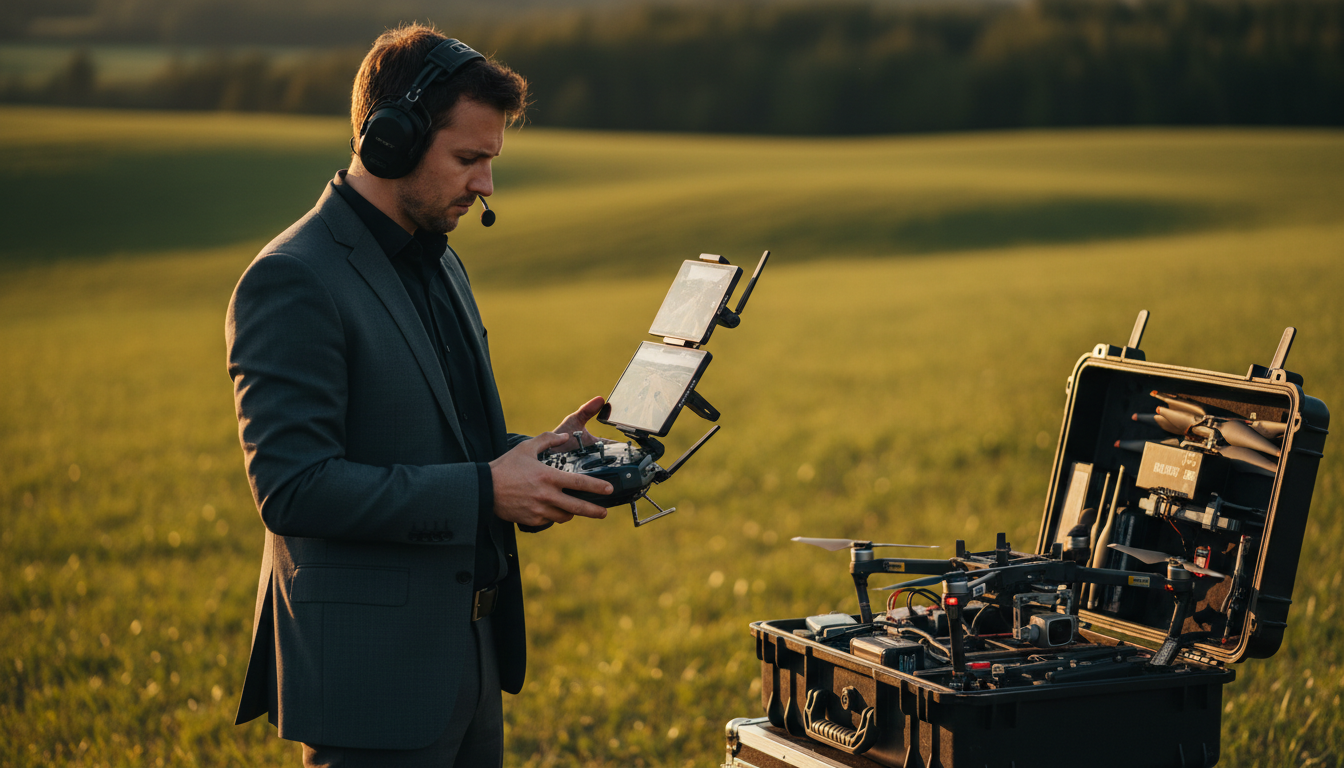
As technology advances, the capabilities of drones continue to expand. From improved camera quality to enhanced stability, drones are becoming an indispensable tool in the filmmaker's arsenal. Embracing this technology allows filmmakers to push creative boundaries and explore new storytelling possibilities.
Myth 5: Drones Will Replace Traditional Cinematography
Finally, there's a fear that drones might overshadow traditional cinematography techniques. However, drones are best seen as a complementary tool, offering unique perspectives that were previously hard to achieve. By combining drone footage with traditional methods, filmmakers can create more dynamic and engaging content.

In conclusion, understanding the realities of drone cinematography helps dispel myths and opens up new opportunities for filmmakers in Australia. By educating oneself on the capabilities and regulations, filmmakers can effectively harness the power of drones to enhance their storytelling.