
Common Misconceptions About Drone Cinematography
JW
The Complexity of Drone Operations
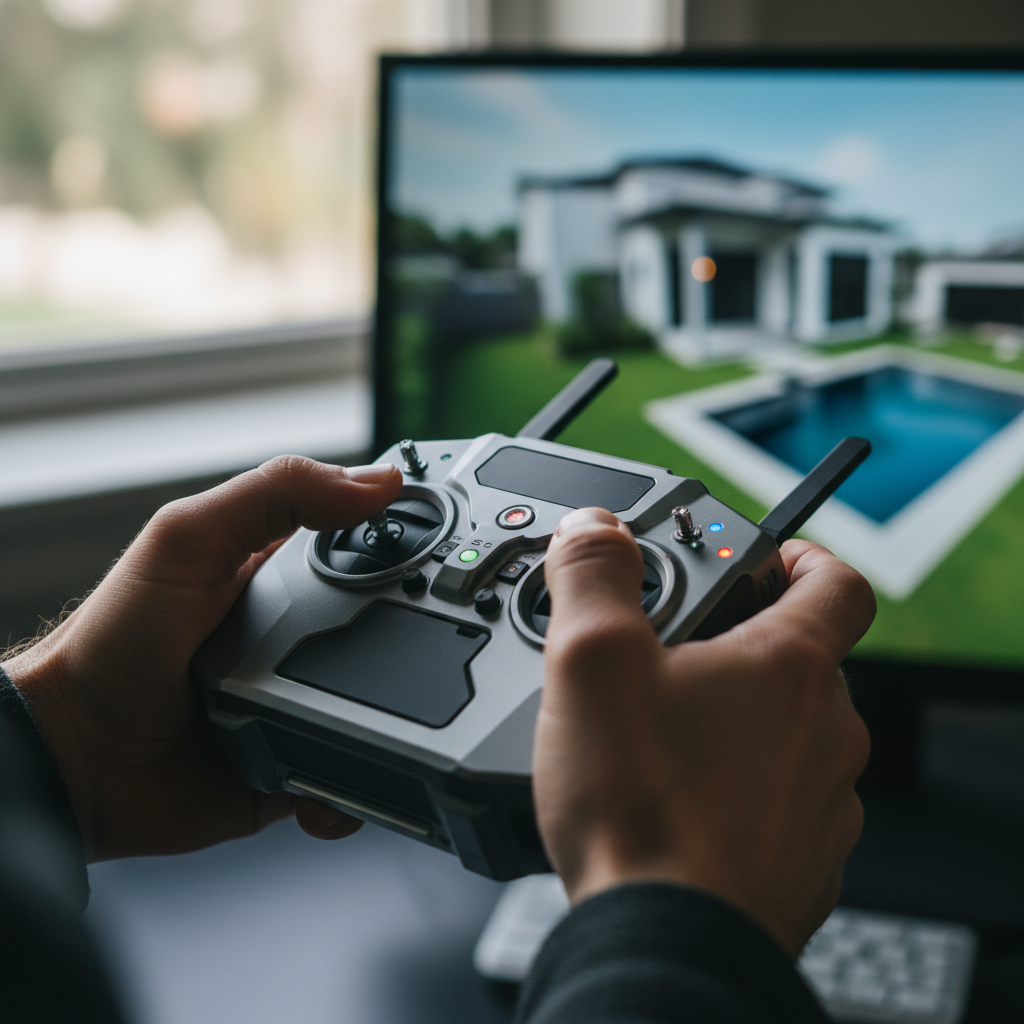
One of the most common misconceptions about drone cinematography is that it's as simple as flying a toy. In reality, operating a drone for filming requires a deep understanding of flight dynamics, camera settings, and airspace regulations. Many people are surprised to learn that professional drone operators often need to be licensed and undergo rigorous training to capture high-quality footage safely and legally.
Drone Cinematography is Not Just About Flying
Another myth is that drone cinematography is solely about piloting the drone. In fact, it's a blend of art and technology. Cinematographers must have a keen eye for composition, lighting, and timing to create visually stunning shots. The drone is merely a tool, and the creativity behind the lens is what truly brings the magic to life.
All Drones Are Not Created Equal
Many people assume that any drone can capture cinematic footage. However, there's a significant difference between consumer-grade drones and professional equipment. Professional drones come equipped with advanced stabilization systems, high-resolution cameras, and customizable settings that allow for precise control over every aspect of filming.
Weather and Environmental Challenges
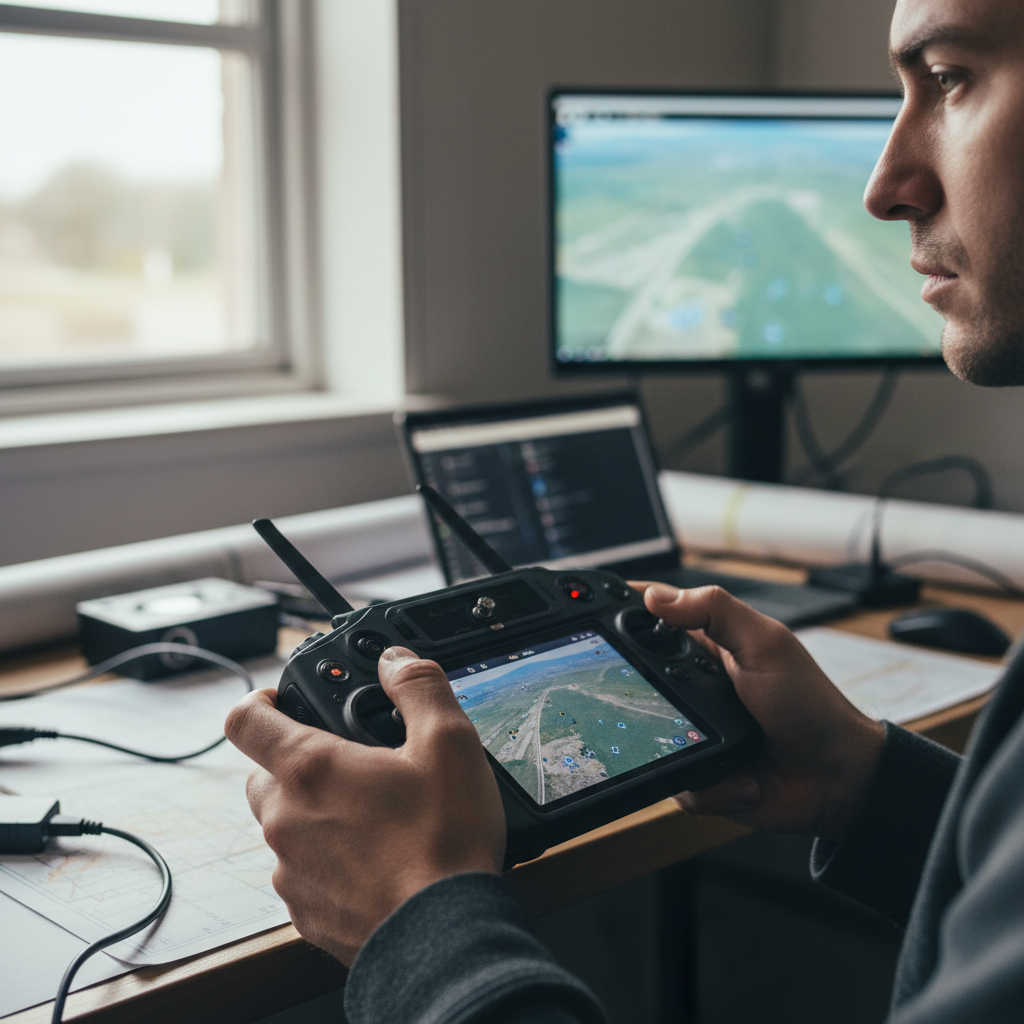
It's often overlooked that weather conditions play a crucial role in drone cinematography. Factors such as wind, rain, and lighting can significantly impact the quality of the footage and even the safety of the operation. Experienced drone operators must carefully plan shoots around optimal weather conditions to ensure the best results.
The Importance of Pre-Planning
Another common misconception is that drone shoots can be spontaneous. In reality, detailed pre-planning is essential. This includes scouting locations, assessing potential hazards, and obtaining necessary permissions. A well-planned shoot ensures efficiency and minimizes risks during the actual filming process.
Drone Footage Doesn't Always Mean Cost Savings
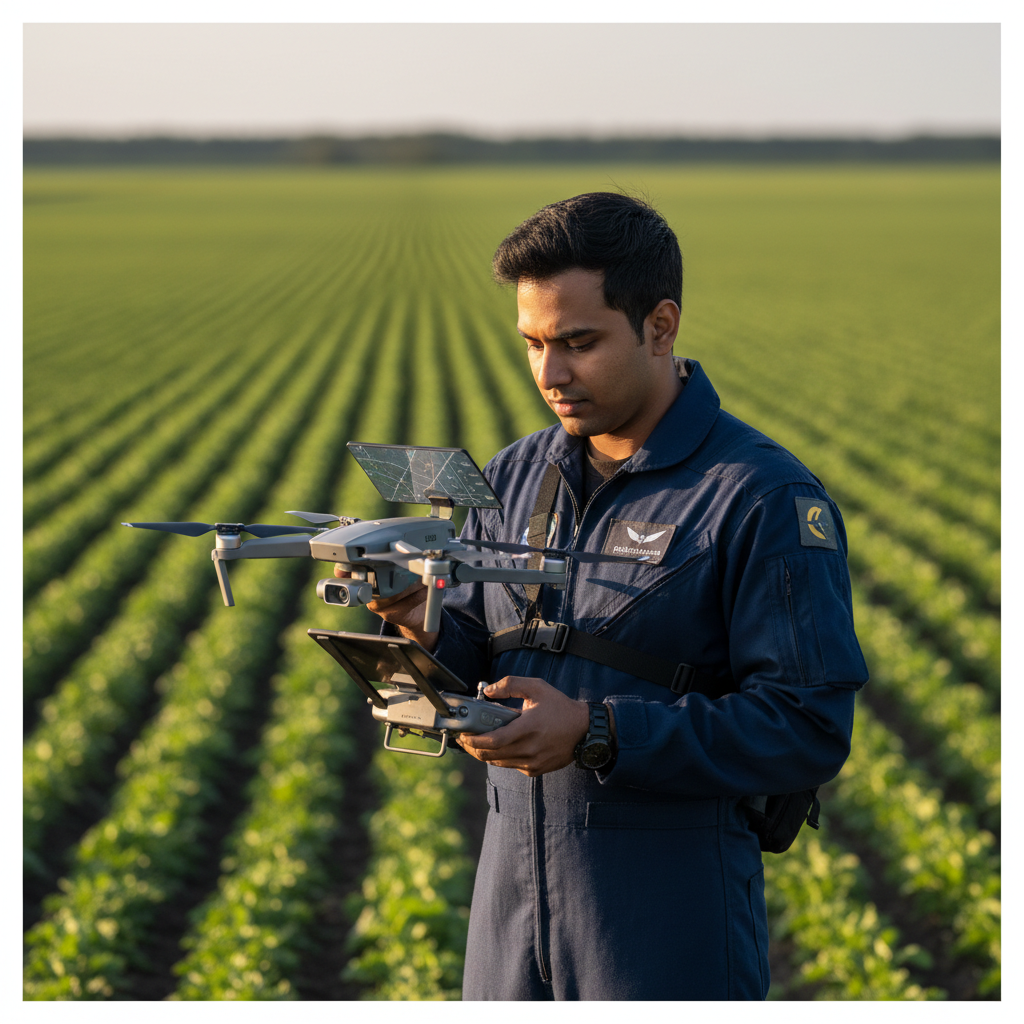
While drones can be more affordable than traditional aerial filming methods, it's a mistake to think that they always save money. The cost of professional drones, insurance, and skilled operators can add up. Additionally, post-production editing and color grading are often necessary to achieve the desired cinematic effect.
The Role of Post-Production
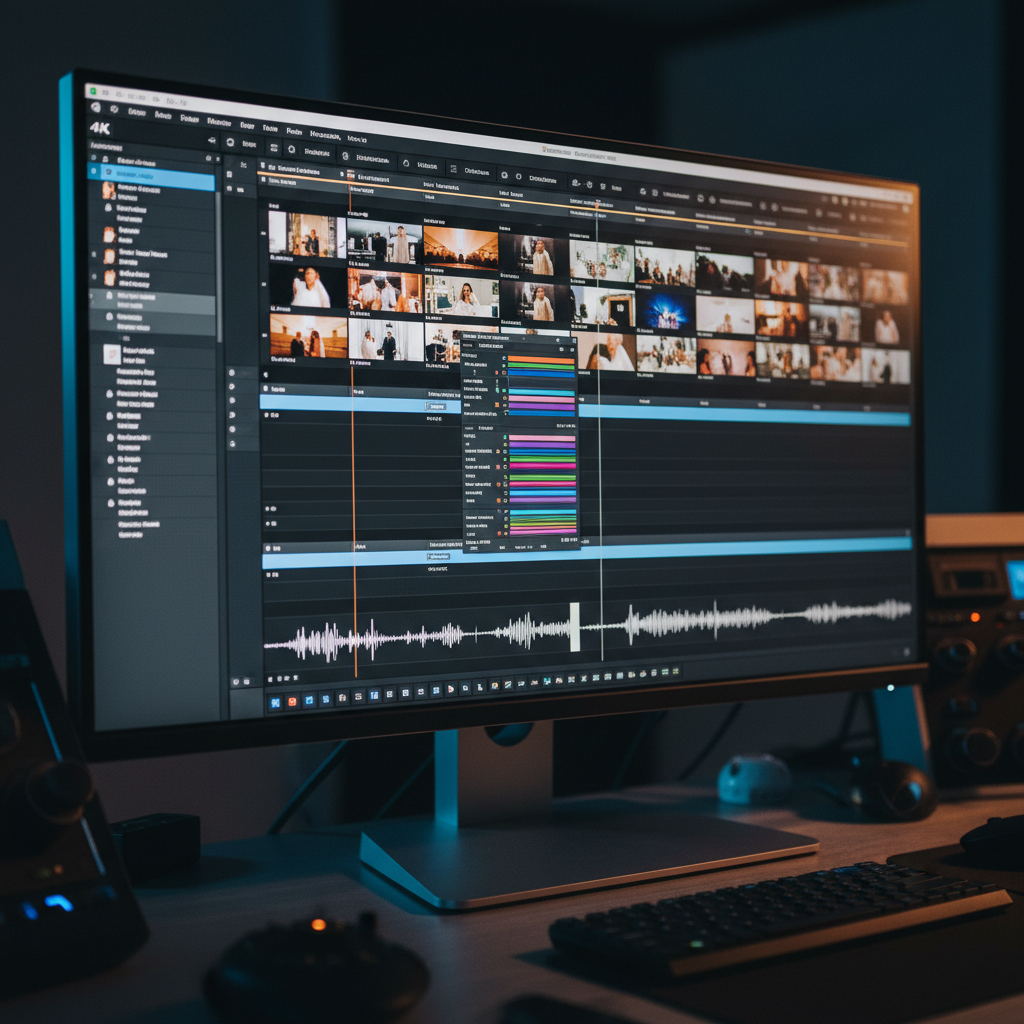
Lastly, many believe that the footage captured by drones is perfect straight out of the camera. In truth, post-production is an integral part of drone cinematography. Editing, color correction, and adding effects are often required to enhance the footage and align it with the project's vision.
In conclusion, understanding these common misconceptions about drone cinematography can help you appreciate the skill and artistry involved in creating breathtaking aerial visuals. Whether you're a filmmaker or simply a drone enthusiast, recognizing the complexities of drone cinematography can enhance your appreciation for this powerful storytelling tool.