
Aerial Videography in Australia: Navigating Regulations and Best Practices
JW
Understanding Aerial Videography Regulations in Australia
Aerial videography has become increasingly popular in Australia, offering breathtaking perspectives of landscapes, events, and urban environments. However, flying drones for videography involves navigating a complex set of regulations to ensure safety and compliance. Understanding these rules is crucial for both hobbyists and professional videographers.
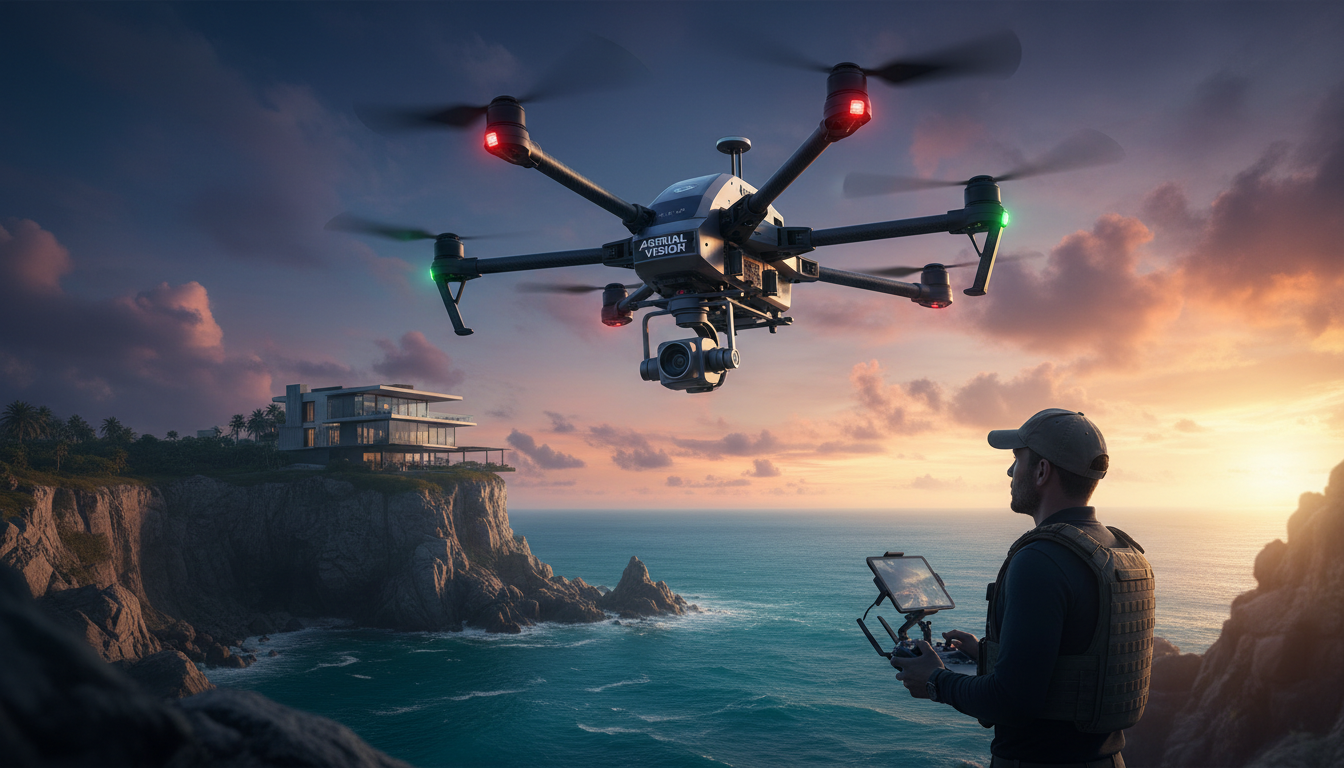
The Civil Aviation Safety Authority (CASA) governs the use of drones in Australia. To operate a drone commercially, pilots must obtain a Remote Pilot Licence (RePL) and their organization must hold a Remote Operator's Certificate (ReOC). For recreational use, drones must be flown under specific conditions, such as maintaining visual line of sight and not exceeding 120 meters in altitude.
Key Regulations for Drone Operators
Operators must adhere to strict guidelines to ensure safe drone operations. Some key regulations include:
- Maintaining a minimum distance of 30 meters from people not involved in the operation.
- Flying only during daylight hours and in good weather conditions.
- Avoiding restricted airspace, such as near airports and emergency situations.
Adhering to these regulations helps prevent accidents and ensures the safety of both the drone and the public.
Best Practices for Aerial Videography
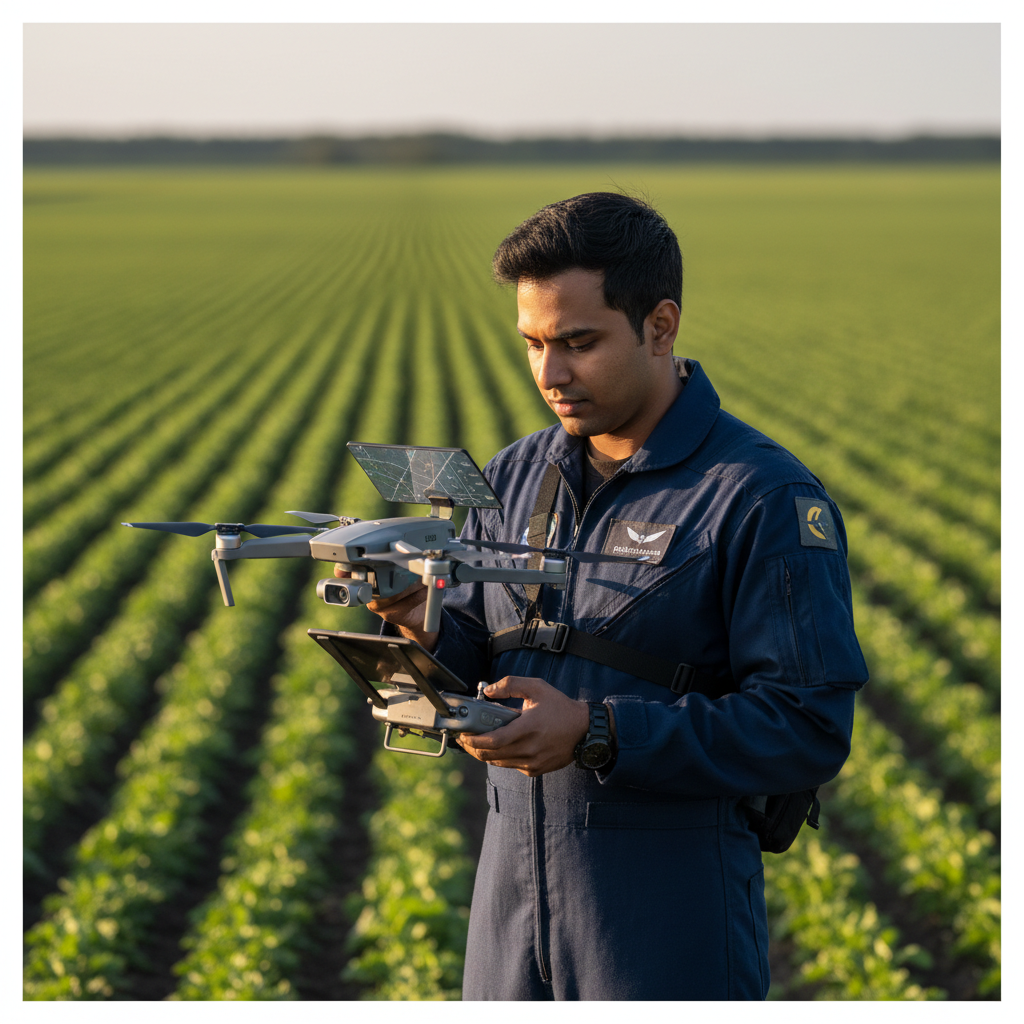
Beyond regulations, following best practices can enhance the quality of your aerial videography. Planning your shots carefully, understanding your equipment, and considering environmental factors are all crucial steps.
Effective planning involves scouting locations ahead of time and checking weather forecasts to ensure optimal flying conditions. Understanding your drone's capabilities, including battery life and camera settings, can significantly impact the quality of your footage.
Enhancing Video Quality
To capture stunning aerial footage, consider the following tips:
- Stabilization: Use drones with gimbals to reduce shake and produce smooth videos.
- Lighting: Shoot during the golden hours of sunrise or sunset for softer, more dramatic lighting.
- Composition: Apply photography principles like the rule of thirds to create visually appealing shots.
Navigating Privacy Concerns
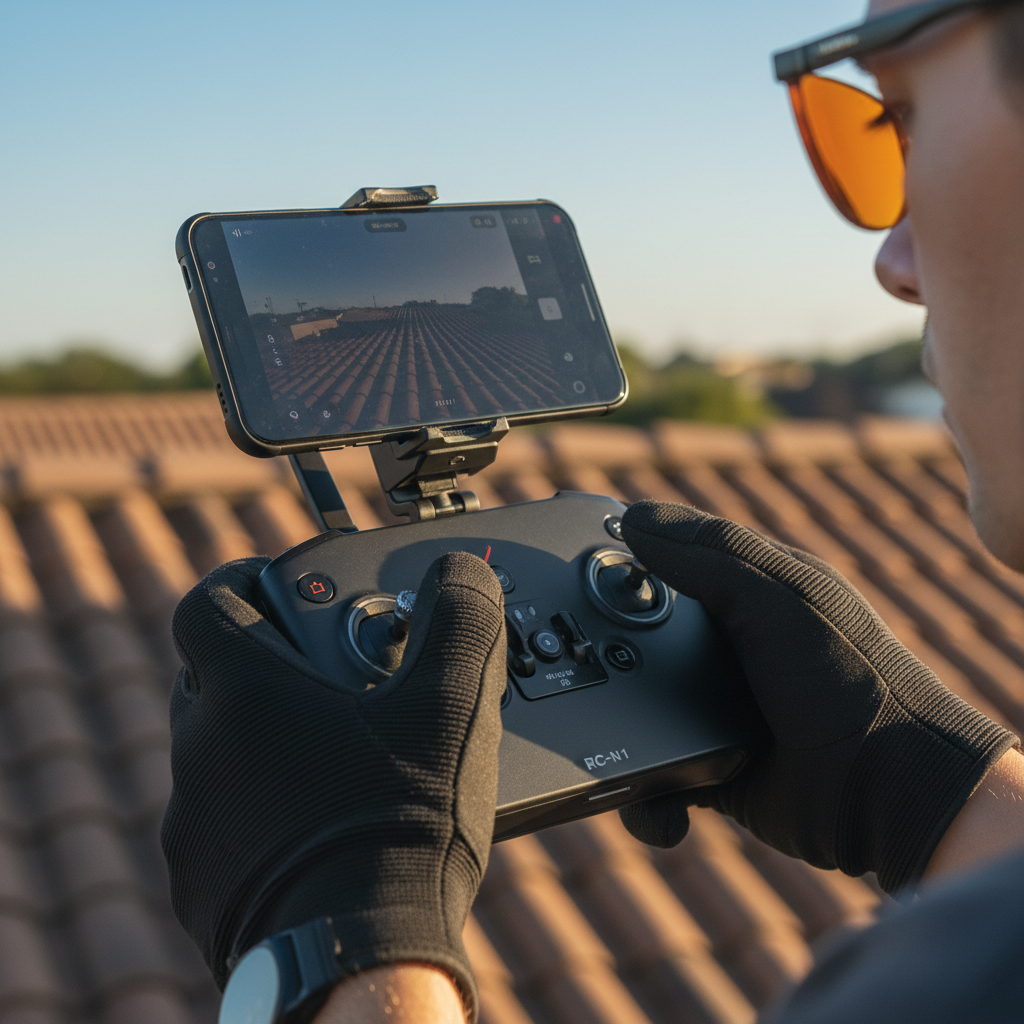
Privacy is a significant concern when flying drones, especially in populated areas. It's essential to respect people's privacy by avoiding capturing images or videos where individuals might expect privacy, such as in backyards or through windows.
Always seek permission when filming in private areas or during events, and be transparent about your intentions. This not only builds trust but also ensures compliance with privacy laws.
Conclusion: Balancing Creativity and Responsibility
Aerial videography in Australia offers a unique way to capture the world, but it comes with responsibilities. By understanding and adhering to regulations, practicing best techniques, and respecting privacy, videographers can create stunning and compliant content. Embrace the art of aerial videography while prioritizing safety and ethics.