
5 Misconceptions About Drone Cinematography in Australia
JW
The Rise of Drone Cinematography
Drone cinematography has revolutionized the film industry, offering breathtaking aerial views and dynamic shots that were once impossible or prohibitively expensive. However, as with any new technology, there are several misconceptions surrounding its use, especially in Australia. In this post, we'll debunk some common myths about drone cinematography.
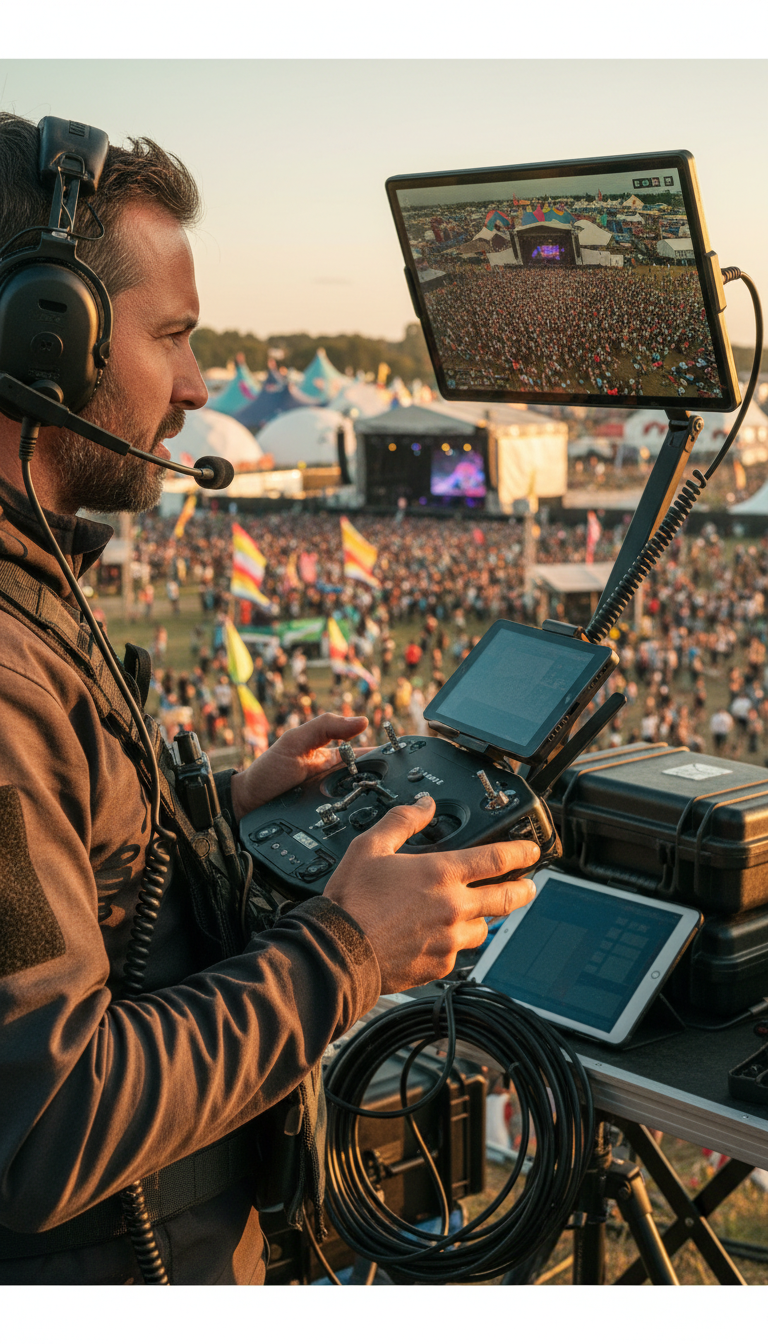
Misconception 1: Drones Are Only for Professionals
Many people believe that drone cinematography is exclusively for professional filmmakers. While it's true that professionals have embraced drones for their versatility, the technology is also accessible to hobbyists and amateurs. Affordable models with user-friendly interfaces are available, allowing enthusiasts to capture stunning footage without a Hollywood budget.
Misconception 2: Drones Are Difficult to Operate
Another widespread myth is that drones are challenging to fly. In reality, modern drones come with intuitive controls and built-in stabilization features, making them easier to operate than ever. Many models offer automated flight modes, which can help beginners capture complex shots with minimal effort.
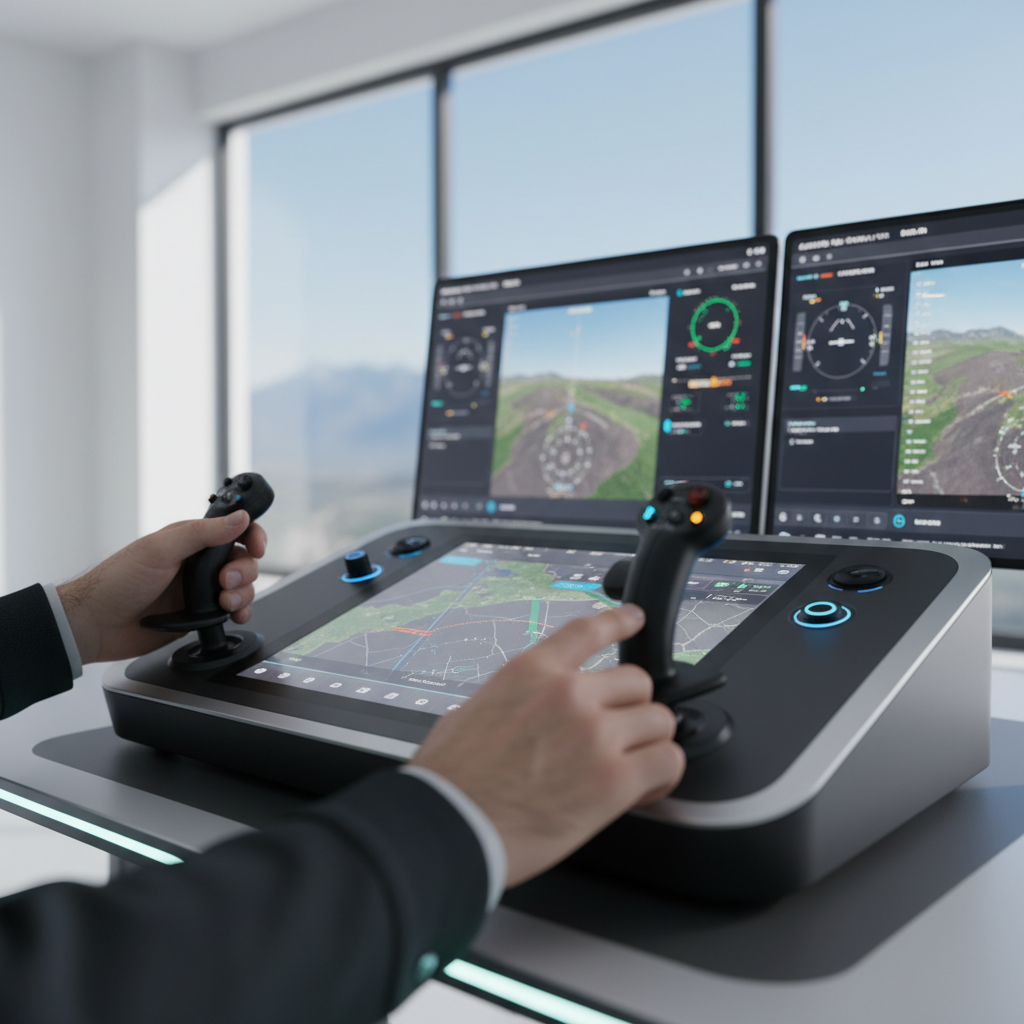
Misconception 3: Drone Footage Is Low Quality
Some assume that drone footage lacks the quality needed for professional production. However, advances in camera technology mean that drones can now capture high-resolution video and images. Many drones are equipped with 4K cameras and advanced gimbals, producing footage that rivals traditional cinematography.
Misconception 4: Drones Are Unsafe
Safety is a common concern, with some believing that drones pose significant risks. While accidents can happen, strict regulations in Australia ensure that operators follow guidelines to mitigate risks. By adhering to rules and maintaining awareness, drone operators can safely capture footage without endangering people or property.
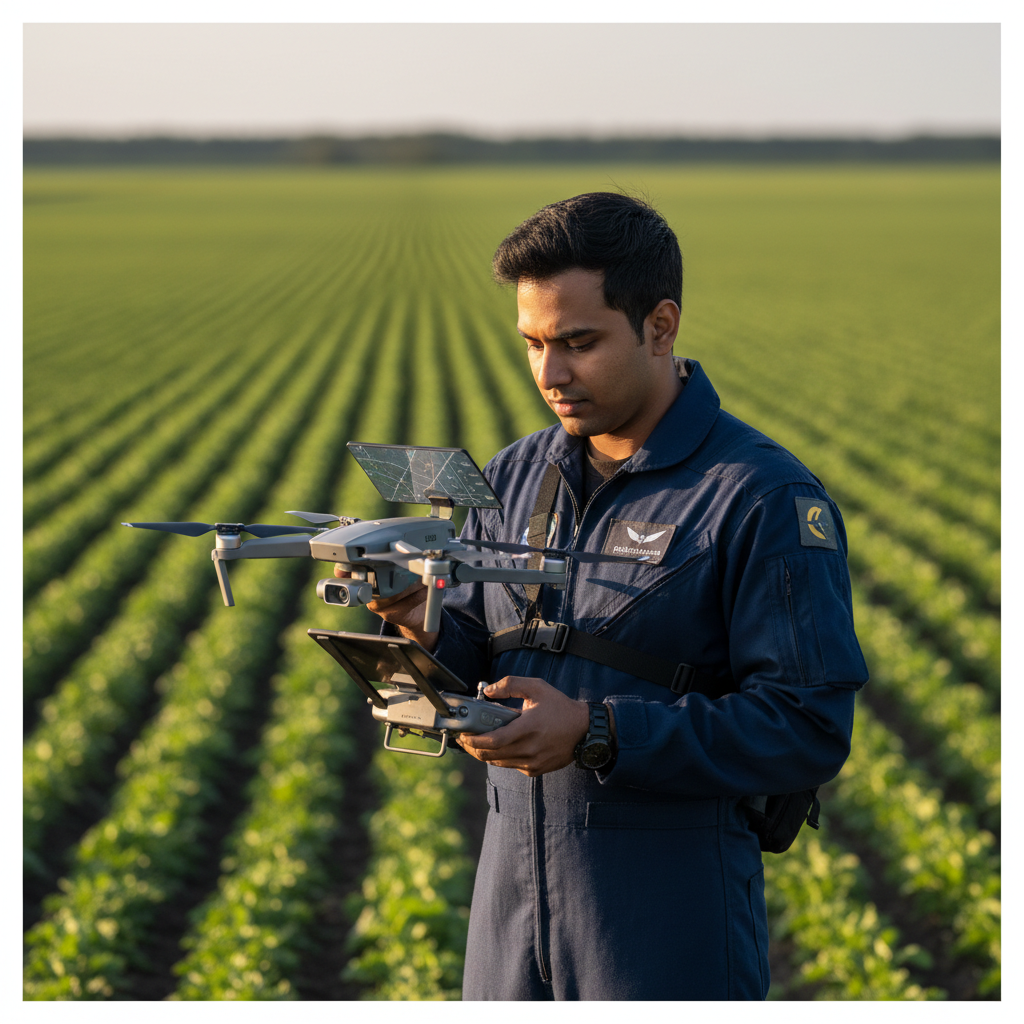
Misconception 5: Drones Are Only for Aerial Shots
While aerial shots are a significant advantage of drones, they are not limited to this perspective. Drones provide unique angles and can capture footage in tight spaces or challenging environments that traditional cameras cannot reach. This versatility opens up new creative possibilities for filmmakers.
Embracing the Future of Filmmaking
Drone cinematography is a dynamic and evolving field that offers exciting opportunities for filmmakers of all levels. By understanding and addressing these misconceptions, more creators can harness the power of drones to enhance their storytelling and produce captivating visual content. As the technology continues to advance, the potential for innovation is boundless.